Most people show up in Seattle expecting rain, coffee, and not much else. Then they spend three days here and can’t figure out how to fit it all in.
The best things to do in Seattle span the Space Needle and Pike Place Market downtown, glass art at Chihuly Garden and Glass, neighborhood culture in Fremont and Ballard, waterfront parks like Discovery Park and Alki Beach, and easy day trips to Mount Rainier or the San Juan-bound ferries. Plan two to four days to cover the highlights without rushing.
Things to Do in Seattle: Landmarks Everyone Should See at Least Once
Yes, they’re touristy. They’re also touristy for a reason.
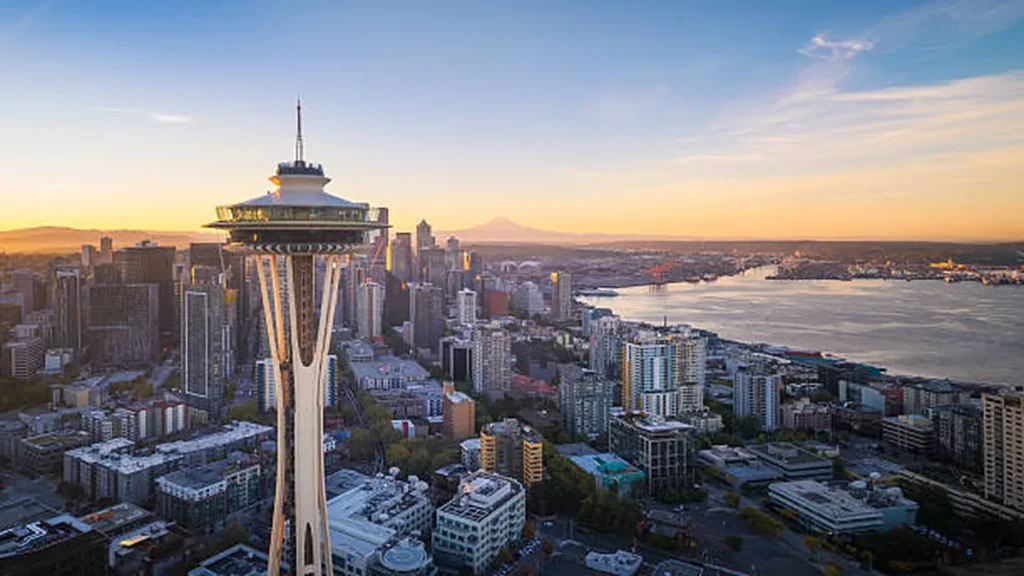
The Space Needle is still the fastest way to understand the city’s geography. Standing at 605 feet, the observation deck provides a 360-degree view of the city, Puget Sound, Mount Rainier, and the Olympic Mountains. Go right at opening or an hour before sunset — midday lines eat up an hour you don’t get back.
Right next door sits Chihuly Garden and Glass, and it’s worth the combo ticket. The exhibit showcases Dale Chihuly’s blown glass across 8 indoor galleries, a 100-foot Glasshouse with a suspended sculpture, and an outdoor garden where glass pieces sit among Pacific Northwest plants. Even people who think they don’t care about glass art tend to leave impressed.
No trip is complete without Pike Place Market. As one of the oldest public farmers’ markets in the US, it’s the soul of the city — watch the fishmongers throw salmon, browse local crafts, and grab fresh flowers. The market’s been running since 1907. Skip the flagship Starbucks line and instead wander the lower levels, where the actual local vendors sell honey, cheese, and secondhand books away from the crowds.
Quick takeaway: Space Needle + Chihuly + Pike Place can realistically be done in one focused day if you start early and buy timed tickets in advance.
Things to Do in Seattle: Museums That Are Better Than People Expect
This is where a lot of “best of Seattle” lists get lazy — they mention MoPOP and stop. There’s more here.
Museum of Pop Culture (MoPOP), designed by Frank Gehry, leans into music and sci-fi history — genuinely worth it if you have any interest in Nirvana, Jimi Hendrix, or pop culture generally. Seattle Art Museum downtown and its Olympic Sculpture Park on the waterfront are free or low-cost ways to spend an afternoon outdoors and indoors at once.
For something less obvious, the Museum of History and Industry (MOHAI) on Lake Union covers the city’s actual founding story — fires, tech booms, and all — and the Wing Luke Museum in the Chinatown-International District tells the history of the Asian American communities that shaped the neighborhood, with exhibits you won’t find duplicated anywhere else in the Pacific Northwest. Aviation fans should carve out a half-day for the Museum of Flight near Boeing Field.
Common mistake: trying to do more than two museums in one day. Seattle’s museums reward slow visits — budget 90 minutes to 2 hours each.
Things to Do in Seattle’s Neighborhoods — Skip the Tourist Trail
Almost every competitor guide mentions neighborhoods in passing. Few explain what actually makes each one worth the trip.
Fremont is the quirky one — home to the Fremont Troll sculpture under the Aurora Bridge and a Sunday market worth timing your visit around.
Ballard has become the city’s best food-and-drink neighborhood. The Ballard Locks and the Nordic Museum are must-visits here, and if you’re in town on a Sunday, don’t miss the Ballard Farmers Market. Pair it with a craft brewery crawl — Ballard has one of the densest concentrations of independent breweries in the city.
Capitol Hill is Seattle’s most walkable nightlife and vintage-shopping district — expect coffee shops, an eclectic, LGBTQIA+-welcoming scene, and some of the city’s best late-night food.
The Chinatown-International District is historic and packed with culture and food — grab dim sum and take a peek at the fortune cookie factory.
Pioneer Square is Seattle’s oldest neighborhood, home to the Underground Tour (walk through the literal buried remains of the pre-1889-fire city) and now steps from Lumen Field, which makes it the epicenter of any Seattle sports crowd.
Outdoor Things to Do in Seattle: Parks, Water, and Views
Seattle’s outdoor scene is a genuine gap in a lot of generic listicles — they mention “parks” without saying which ones matter.
Discovery Park is the biggest green space in the city, with miles of forested trails and a lighthouse overlooking the Puget Sound. Kerry Park on Queen Anne is the postcard skyline shot — smaller than people expect, best at golden hour. Gas Works Park on Lake Union gives you industrial ruins repurposed into a picnic hill with a downtown view most tourists never find.
For beaches, Seattle’s best beaches include picturesque spots like Pocket Beach with Olympic Mountain views, or shallow-water areas at Titlow Park; Madison Park Beach is the go-to for a lakeside summer feel, while Alki Beach on the west side leans into the city’s historic landmarks.
On the water itself, you can rent a kayak or electric boat on Lake Union to paddle past the city’s famous floating homes — including the one featured in Sleepless in Seattle. Whale and orca watching tours run seasonally out of the waterfront and are worth booking ahead in summer, when resident pods are most active in Puget Sound.
Honest downside: Seattle’s outdoor scene is genuinely rain-dependent from November through March. If you’re visiting in that window, treat outdoor plans as a bonus, not the centerpiece.
Things to Do Near Seattle: Best Day Trips Worth the Drive
This is the section most “things to do in Seattle” guides shortchange, and it’s a mistake — the day trips are often the highlight of the whole visit.
Mount Rainier National Park is roughly 2–2.5 hours by car and delivers wildflower meadows and glacier views that rank among the best short trips from any major U.S. city — go on a clear morning for the best chance at an unobstructed view of the peak.
Snoqualmie Falls is a 30-minute drive and takes less than an hour to see — a 268-foot waterfall with an easy viewing platform, good for travelers without a full day to spare.
For a slower pace, hop on the ferry to Bremerton or Bainbridge Island for a 35–55-minute scenic ride that offers the best view of the Seattle skyline. It’s one of the cheapest “tours” in the city — a standard Washington State Ferries walk-on ticket, no car required.
Planning Your Visit: Weather, Transit, and the 2026 World Cup
When to go: June through September is Seattle’s driest, sunniest stretch, and 2026 is a notable year to visit — June and July temperatures typically run 68–80°F (20–27°C) with very little rain, making it Seattle’s best weather window.
2026 World Cup note: If you’re visiting in summer 2026, know that the FIFA Men’s World Cup runs June 11 to July 6, and Seattle hosts six matches at what’s temporarily rebranded Seattle Stadium (normally Lumen Field), a 69,000-seat venue in the SoDo district known for its cantilevered roof, which traps and amplifies crowd noise. Even without match tickets, bars, breweries, museums, parks, and art spaces across the city are hosting watch parties and themed events throughout the tournament — worth checking Visit Seattle or Do206’s calendar if your trip overlaps.
Getting around: Buy an ORCA card for transit, and expect Link light rail to run every 8 minutes on match days. Most of downtown, Pike Place, and Pioneer Square are walkable from each other; you only need a car for day trips.
A realistic 3-day framework:
| Day | Focus |
|---|---|
| Day 1 | Space Needle, Chihuly Garden and Glass, Pike Place Market, evening in Capitol Hill |
| Day 2 | One museum (MoPOP or SAM), Fremont in the morning, Ballard breweries and locks in the afternoon |
| Day 3 | Day trip — Mount Rainier for hikers, Bainbridge Island ferry for a lighter pace |
Budget note: several of the best things to do are free or near-free — Pike Place Market entry, Olympic Sculpture Park, Kerry Park, Gas Works Park, Discovery Park, and the Bainbridge ferry ride (walk-on fare only). Museums and the Space Needle are where the costs add up, so budget those deliberately rather than trying to do all of them.
Seattle rewards people who slow down for at least one neighborhood instead of sprinting between landmarks. Pick two or three anchor activities per day, leave room for a coffee shop you didn’t plan on, and you’ll get a much better sense of the city than the checklist tourists do.
If you’re planning another destination too, check out our Pacific Northwest travel guides for more trip ideas.
FAQ Section
How many days do you need in Seattle?
Two full days cover the core landmarks; three to four days let you add a neighborhood deep-dive and one day trip, like Mount Rainier or the Bainbridge Island ferry, without feeling rushed.
Is Pike Place Market free to visit?
Yes, walking through Pike Place Market is free. You’ll only pay for food, drinks, or items you choose to buy from vendors, so it works for any budget.
What is Seattle famous for?
Seattle is known as the Emerald City for its year-round greenery, and as the home of Starbucks, Nirvana, Amazon, and Boeing, alongside landmarks like the Space Needle and Pike Place Market.
Is Seattle worth visiting in the rain?
Yes — museums, Pike Place Market, Chihuly Garden and Glass, and neighborhood food scenes all work regardless of weather. Just shift outdoor plans like Discovery Park or day trips to a clearer day if possible.
What’s the best neighborhood to stay in Seattle?
Downtown or Belltown puts you closest to the Space Needle and Pike Place Market; Capitol Hill suits travelers who want nightlife and walkable food within a short transit ride of downtown.
What’s free to do in Seattle?
Pike Place Market, Olympic Sculpture Park, Kerry Park, Gas Works Park, Discovery Park, and the Fremont Troll are all free, and the Bainbridge Island ferry only costs a standard walk-on fare.
How do I get to Mount Rainier from Seattle?
It’s roughly a 2 to 2.5-hour drive by car; there’s no direct public transit, so renting a car or booking a guided day-tour van is the most reliable option.
Will the 2026 FIFA World Cup affect a Seattle visit?
If your trip falls between June 11 and July 6, 2026, expect heavier crowds and transit use around match days at Lumen Field (Seattle Stadium), plus citywide watch parties — worth checking the schedule before booking hotels downtown or in SoDo.