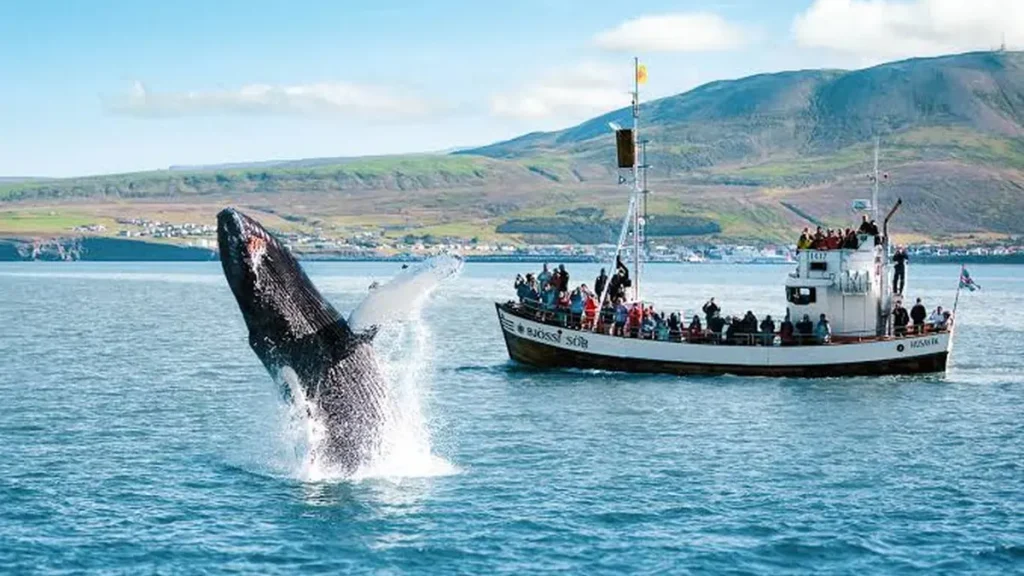
The first time I watched a pod of orcas surface fifty yards off the bow near Bellingham Bay, the whole boat went quiet for a second — then everyone started talking at once. That’s the thing nobody tells you about whale watching here: it’s not a guaranteed nature documentary. It’s a real gamble on wild animals, and that’s exactly what makes it worth doing right.
Whale watching in Bellingham tours depart from the Bellingham Cruise Terminal in Fairhaven and cruise through the Salish Sea and San Juan Islands, where you can spot Southern Resident and Bigg’s (transient) orcas, humpback whales, and minke whales. Peak season runs May through September, with half-day trips typically costing $110–$180 per adult.
Bellingham’s a strange, great spot for this. It’s not the flashy tourist hub Friday Harbor is, but it sits right on the doorstep of some of the richest whale habitat in the Pacific Northwest, with Mount Baker as a backdrop and Fairhaven’s waterfront as a genuinely pleasant place to grab lunch before or after.
What You’ll Actually See on the Water
Most people say “whale watching” and picture orcas. You might see orcas — but there are actually two very different populations passing through the Salish Sea, and knowing the difference changes what to expect.
Southern Resident killer whales are the fish-eating orcas — three family pods that follow salmon runs. They’re endangered, their numbers are small, and sightings of them have gotten less predictable over the past decade as salmon runs have shifted.
Bigg’s (transient) orcas are mammal-eaters that hunt seals and porpoises. They travel in smaller groups, roam more widely, and — somewhat counterintuitively — have become the more reliable orca sighting on many Salish Sea trips in recent years.
Beyond orcas, <cite index=”6-1″>operators regularly spot solitary minke whales, and from time to time nomadic mammal-eating orcas, along with gray and humpback whales taking a scenic detour during their coastal migration.</cite> You’ll also likely see Dall’s and harbor porpoises, harbor seals, and Steller sea lions, plus bald eagles and seabirds like rhinoceros auklets and pigeon guillemots.
Quick takeaway: Don’t book expecting “orcas guaranteed.” Book expecting a genuine wildlife cruise where orcas are the headline act but humpbacks, minke whales, seals, and eagles are the reliable supporting cast.
Best Time to Go Whale Watching in Bellingham
Whale watching out of Bellingham runs roughly April through October, tapering off hard in winter months when most operators pause trips entirely.
- May tends to get singled out as the sweet spot — decent weather, spawning bait fish drawing whales closer to shore, and humpbacks moving north toward Alaska.
- June through August is peak tourist season: more daily departures, warmer weather, but also more crowded boats and higher prices.
- September often surprises people — cooler, thinner crowds, and still strong humpback activity as they continue their migration.
- Winter (Nov–March): Most cruise operators stop running. If you’re visiting then, land-based viewing (covered below) is your realistic option.
There’s no month with a 100% guarantee — wild animals don’t check a calendar — but May through September gives you the best odds by a wide margin.
Tour Types and What They Cost
Pricing and trip length vary more than people expect, and the differences actually matter for planning your day.
| Tour Type | Typical Length | What’s Included | Typical Price (adult) |
|---|---|---|---|
| Half-Day Whale Watch | 4–5 hours | Narrated cruise, lunch (often lasagna/salad buffet) | $110–$150 |
| Deluxe/Full-Day (Friday Harbor stop) | 6–8 hours | Whale watching + time ashore in Friday Harbor, meal included | $150–$180 |
| Evening Whale Watch | 3–4 hours | Sunset cruise, dinner buffet | $110–$140 |
| Private Charter (Blackfish Fleet-style) | Custom | Small group (under 30), custom itinerary, can combine fishing | Custom quote, often $1,000+ for the boat |
Most Bellingham-based operators build in a lunch or dinner buffet, so factor that into value comparisons against bare-bones tours elsewhere. A few also run a “bummer card” or half-off guarantee — if you don’t see whales, you get a discount or free voucher for a return trip. That’s worth confirming before you book, since not every operator offers it the same way.
Bellingham vs. Friday Harbor — Where Should You Actually Depart From?
This is the one question almost nobody answers directly, and it’s genuinely useful.
Departing from Bellingham means less driving if you’re already in Whatcom County or coming from Seattle by car — the Bellingham Cruise Terminal is easy to reach, parking is straightforward, and you get Fairhaven’s shops and restaurants built into your day. The tradeoff: Bellingham boats have to travel farther into the San Juan Islands to reach prime whale territory, so trips are often a bit longer for the same amount of “whale time.”
Departing from Friday Harbor (on San Juan Island itself) puts you closer to where whales are frequently spotted, which can mean shorter transit time to sightings. The tradeoff is getting there — it requires a ferry ride or a flight, which adds cost, planning, and a full extra travel day if you’re not already staying on the island.
If you’re based in Bellingham or Whatcom County for the weekend, booking locally usually wins on convenience. If whale sightings are your only priority and you’re building a multi-day San Juan Islands trip anyway, Friday Harbor departures are worth considering.
What to Bring (and How to Not Get Seasick)
A few things experienced boaters bring up that first-timers usually don’t think about:
- Layers, even in summer. The water is colder than the land temperature suggests, and wind on open water cuts through a light jacket fast.
- Motion sickness prevention, taken early. If you’re prone to seasickness, over-the-counter motion sickness tablets work best taken the night before and again the morning of — not once you’re already queasy on deck.
- A zoom lens, not just your phone. Whales surface fast and often farther out than expected; phone cameras rarely capture anything beyond a distant fin.
- Sunscreen and sunglasses, even on overcast days — glare off open water is stronger than people expect.
- Cash or card for the snack bar, if the tour doesn’t include a full meal.
Whale Watching With Kids
Most half-day and evening cruises are genuinely family-friendly — boats have indoor seating, restrooms, and buffet-style meals that work fine for picky eaters. A few practical notes: younger kids (under about 5) can get restless on longer 6–8 hour Friday Harbor trips, so a half-day tour is usually the better fit for families with young children. Ask ahead about life jacket sizes for toddlers, and expect some downtime between sightings — pack a book or a quiet activity for the transit stretches.
Responsible Whale Watching — and What Happens If You Don’t See One
Reputable Bellingham-area operators follow guidelines set by state and federal wildlife rules, and many are members of the Pacific Whale Watching Association (PWWA), which enforces distance and speed limits around whales that go beyond baseline legal requirements. Captains keep a set distance from pods, reduce speed near wildlife, and avoid boxing in animals — rules that exist because boat traffic is a real, documented stressor on Southern Resident orcas in particular.
As for sightings: no operator can promise you’ll see a whale, and you should be skeptical of any that imply otherwise. What separates the better operators is honesty about that uncertainty — clear sighting-rate numbers based on actual trip history, and a fair policy (discount, free rebooking, or similar) if your trip comes up empty. Ask about that policy specifically before you book.
Free Land-Based Whale Watching Spots
If you’re visiting outside peak cruise season, or just want a free option to pair with a boat tour, a few land-based spots occasionally deliver:
- Chuckanut Drive — scenic overlooks along Bellingham Bay, best in calm weather
- Washington Park in Anacortes — a reliable regional favorite for shore-based sightings, especially during salmon runs
- Bellingham Bay itself — rare, but occasional sightings do happen close to shore
None of these come with a naturalist guide or anywhere near the sighting odds of a boat tour, but they’re a nice free backup, especially in the off-season when cruises aren’t running.
Bellingham won’t hand you a guaranteed orca on command, and any tour that promises one is overselling it. What it does offer is a real shot at wild orcas, humpbacks, and minke whales, a shorter drive than most San Juan Islands alternatives, and a genuinely nice waterfront town to spend the rest of your day in. Pick a season between May and September, pick a tour length that fits your group, and go in knowing the uncertainty is part of what makes the sighting feel earned. If you’re weighing Bellingham against a Friday Harbor departure, book the option that matches how much of your trip you actually want to spend on the water versus in transit — then check current departure schedules directly with the operator before you lock in dates.
You might also find our Pacific Northwest travel guides helpful when planning the rest of your trip.
Frequently Asked Questions
Is Bellingham a good place to see whales?
Yes — Bellingham sits right at the edge of the Salish Sea and San Juan Islands, one of the richest whale-watching regions in the Pacific Northwest, with regular access to orcas, humpbacks, and minke whales during the April–October season.
What is the best month to see whales in Bellingham?
May and June are frequently cited as the sweet spot, with good weather and whales feeding closer to shore, though sightings continue reliably through September.
How much does a whale watching tour cost in Bellingham?
Most half-day tours run $110–$150 per adult including a meal, with full-day trips to Friday Harbor and evening cruises priced similarly or slightly higher.
Do you need to book whale watching in advance?
Yes, especially during peak summer months — popular departure times can sell out days ahead, particularly on weekends.
What whales can you see near Bellingham?
Southern Resident and Bigg’s (transient) orcas, humpback whales, and minke whales are the most common, with occasional gray whale sightings during migration.
Is whale watching in Bellingham worth it?
For most visitors, yes — even trips without orca sightings typically include seals, sea lions, eagles, and scenic San Juan Islands views, so the trip rarely feels like a total loss.
Can you see whales from shore in Bellingham?
Occasionally, though it’s far less reliable than a boat tour. Chuckanut Drive and nearby Washington Park in Anacortes are the better-known land-based options.
What happens if you don’t see a whale?
Many operators offer a discount or free return trip if no whales are spotted — always confirm this policy before booking, since it varies by company.