Alaska doesn’t forgive a rushed itinerary. I learned that the hard way on my first trip, when I tried to cram Denali, Seward, and Fairbanks into five days and spent more time behind the wheel than in front of a glacier. The state is bigger than Texas, California, and Montana combined, and the distances between its highlights are real — not the kind you can shortcut with a good playlist.
A solid Alaska trip itinerary runs 7 to 10 days, centers on Anchorage as your hub, and combines Denali National Park with either the Kenai Peninsula or Southeast Alaska. Most first-timers fly into Anchorage, rent a car, and loop through Talkeetna and Denali before heading south to Seward for glaciers and wildlife. Visit between June and early September for the best access.
How Many Days Do You Actually Need in Alaska?
There’s no single right answer here, but there is a wrong one: anything under five days. You’ll spend at least one full day just getting to and from Alaska if you’re flying in from the Lower 48, and driving distances eat the rest.
Here’s a rough framework:
- 5 days: Enough for Anchorage plus one region — either Denali or the Kenai Peninsula, not both. Expect long driving days and skip anything requiring a flight within the state.
- 7 days: The sweet spot for most first-time visitors. You can comfortably combine Denali National Park with either Seward or Talkeetna, with a buffer day built in.
- 10 days: Enough to do the full classic loop — Anchorage, Denali, Talkeetna, Fairbanks — and still add the Kenai Peninsula or a short Southeast Alaska extension.
- 14+ days: Where things get genuinely flexible. You can slow down, add a ferry leg through the Inside Passage, or combine road-trip days with a short cruise segment.
Quick takeaway: If this is your first trip, aim for 7 days minimum. Anything shorter means picking one region and letting the rest wait for next time.
When to Go: Matching Your Itinerary to the Season
Alaska genuinely changes character by month, and your itinerary should change with it.
June through August is peak season. Days stretch to nearly 20 hours of daylight thanks to the midnight sun, every road and trail is open, and this is when Denali National Park’s shuttle buses, glacier cruises, and fishing charters run at full capacity. It’s also the most crowded and most expensive window, and popular activities like Denali bus tours and flightseeing trips can sell out weeks ahead.
Late May and September are the shoulder seasons, and they’re underrated. Flights and lodging typically run 15–25% cheaper than peak summer, crowds thin out considerably, and you still get workable weather for hiking and wildlife viewing. September has the added bonus of overlapping with the return of dark-enough skies for aurora viewing in the Interior.
October through April is a completely different trip built around the Northern Lights, dog sledding, and winter landscapes rather than glacier hikes and wildlife drives — worth doing, but it’s not the itinerary this guide covers.
If you can only pick one window, mid-June through early August gives you the most reliable weather and the fullest range of open activities. If budget matters more than having every option available, shift to late May or September.
Road Trip, Cruise, or Fly-Drive? Choosing How You’ll Get Around
This decision shapes your entire itinerary, so make it early.
| Method | Best For | Pros | Cons |
|---|---|---|---|
| Self-drive road trip | Independent travelers, flexible schedules | Full control, cheapest per-day cost, can go off the beaten path | Long driving days, need to book your own lodging |
| Cruise (Inside Passage) | First-timers who want zero logistics | Unpacks once, sees Southeast Alaska’s glaciers and towns, all-inclusive feel | Locked to a schedule, skips Denali and the Interior entirely |
| Fly-drive / railroad combo | Travelers who want scenery without all the driving | Alaska Railroad covers the Anchorage–Denali–Fairbanks corridor with dramatic views, less fatigue than nonstop driving | Higher cost than a plain rental car, less flexible timing |
| Guided land tour | Travelers who want it planned for them | No logistics to manage, local guide knowledge | Least flexible, typically the most expensive option |
A cruise covers Southeast Alaska well but never gets you to Denali National Park or the Interior — those are separate trips by design. If Denali is on your list, you need a land-based itinerary, whether that’s a rental car, the Alaska Railroad, or a mix of both.
Sample 7-Day Alaska Trip Itinerary (Classic Loop)
This is the itinerary most first-time visitors end up building, and for good reason — it hits Alaska’s most photographed landscapes without requiring you to backtrack.
- Day 1 – Arrive in Anchorage. Land at Ted Stevens International Airport, pick up your rental car, and take it easy. Grab dinner and, if you’re not too jet-lagged, walk the Glen Alps Overlook for your first look at the mountains around the city.
- Day 2 – Anchorage to Talkeetna. Drive north (about 2.5 hours), stopping at pullouts for mountain views along the way. Talkeetna is a small, walkable base for the next leg.
- Day 3 – Talkeetna to Denali National Park. Continue north and check into a lodge near the park entrance. Take an afternoon flightseeing tour if weather allows — it’s the most reliable way to actually see Denali’s summit, which is cloud-covered more often than not.
- Day 4 – Full day in Denali National Park. Book a shuttle or bus tour into the park; private vehicles aren’t allowed past mile 15 of the park road. This is your best shot at spotting grizzly bears, caribou, and Dall sheep.
- Day 5 – Denali to Seward. This is a long driving day (5–6 hours), so leave early. Seward sits on Resurrection Bay and is the launch point for Kenai Fjords National Park.
- Day 6 – Kenai Fjords boat tour. A half- or full-day glacier and wildlife cruise out of Seward is the highlight of this itinerary for most travelers — expect whales, sea otters, puffins, and tidewater glaciers calving into the bay.
- Day 7 – Seward back to Anchorage and departure. It’s about 2.5 hours back to Anchorage. Build in a buffer before your flight; Alaska road conditions can add unexpected time.
Quick takeaway: This route covers roughly 500–600 miles of driving over the week. Don’t add a third region on top of Denali and Seward unless you’re extending to 10 days.
Sample 10-Day Alaska Trip Itinerary (More Room to Breathe)
Add three days to the 7-day loop above and you can do the full classic circuit without feeling rushed:
- Days 1–4: Same as above — Anchorage, Talkeetna, two nights near Denali National Park.
- Day 5: Denali to Fairbanks (about 2 hours). Fairbanks adds hot springs, riverboat tours, and — if you’re visiting in the shoulder season — a real shot at the Northern Lights.
- Day 6: Explore Fairbanks, then begin the drive back south.
- Days 7–8: Anchorage to Seward, with the Kenai Fjords boat tour.
- Day 9: Extend south to Homer for a change of pace — halibut fishing, tide pools, and the artsy small-town feel that Seward doesn’t quite have.
- Day 10: Homer or Seward back to Anchorage and departure.
This version covers both the Interior (Denali, Fairbanks) and the Kenai Peninsula (Seward, Homer) without the backtracking that a shorter trip forces you into.
A Different Route: Southeast Alaska / Inside Passage Itinerary
Not every good Alaska trip itinerary runs through Denali. If glaciers, fjords, and small coastal towns interest you more than the Interior’s tundra and wildlife, consider a Southeast Alaska-focused week instead:
- Fly into Juneau and spend two days exploring the city, including Mendenhall Glacier.
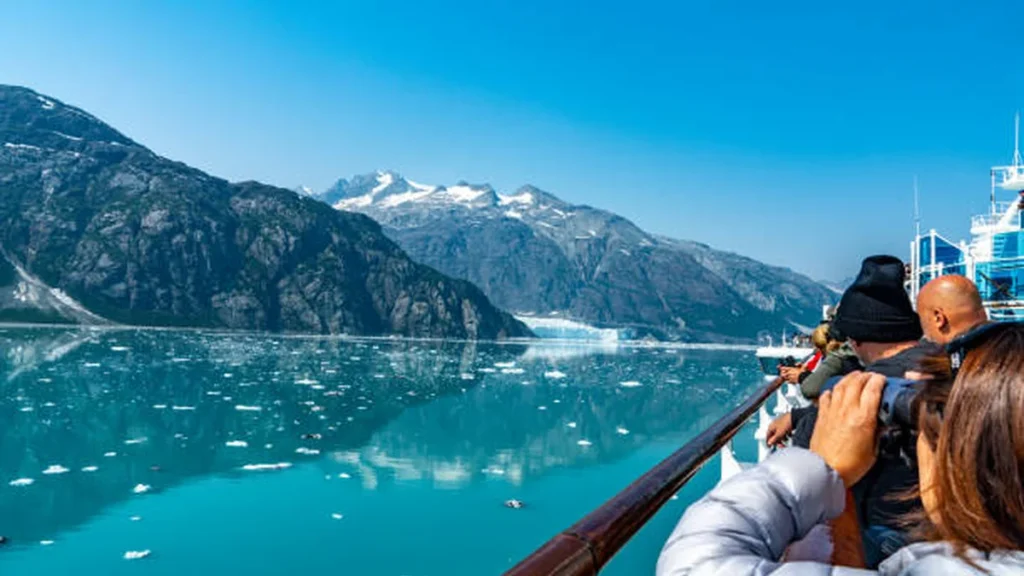
- Take a day cruise into Tracy Arm Fjord for tidewater glaciers and iceberg-choked water.
- Ferry or fly to Haines, then Skagway, for gold-rush history and small-town Alaska without the summer crowds of Anchorage.
- If time allows, add Glacier Bay National Park — one of the most concentrated glacier landscapes in the state.
This route requires more ferry and flight logistics than a straightforward road trip, since Southeast Alaska’s towns aren’t connected by road to the rest of the state. It’s a genuinely different trip from the Anchorage–Denali–Seward loop, and most guides don’t spell out that distinction clearly — but it’s worth knowing before you build your itinerary, especially if you assumed one week could cover both regions.
What This Trip Actually Costs in 2026
Alaska isn’t a cheap-per-day destination, and it catches first-timers off guard. Groceries and services generally run 20–30% above Lower-48 prices, and remote-area premiums add up fast.
For a 7-day trip in 2026, here’s roughly what to expect per person, based on current traveler cost data:
- Budget ($1,500–$2,500 total): Camping or hostel-style lodging, self-prepared meals, a smaller rental car, minimal guided activities.
- Mid-range ($3,000–$4,500 total): Hotels or lodges, a mix of self-drive and one or two guided excursions (a Kenai Fjords boat tour, a Denali flightseeing trip), some restaurant meals.
- Higher-end ($6,000–$9,000+ total): Premium lodges, private tours, and multiple flightseeing or helicopter excursions.
Flights are usually the single biggest swing factor — round trips from Seattle typically run $250–$450, while East Coast departures run closer to $500–$800. Booking during shoulder season (late May or September) instead of peak July can shave 15–25% off flights, lodging, and tour prices across the board.
Quick takeaway: Budget roughly $400–$600 per person per day for a comfortable mid-range trip, and add a contingency of $50–$100 per day for the inevitable “we’re already here” splurge — usually a flightseeing tour or an extra excursion.
When to Book and Mistakes First-Timers Make
Denali bus tours, glacier cruises, and flightseeing trips sell out — sometimes weeks in advance during peak summer. If your itinerary depends on a specific activity, book it as soon as your dates are locked in, ideally 2–3 months ahead for a June–August trip.
The most common mistake isn’t picking the wrong region — it’s trying to cover too many of them. Alaska’s distances make a three-region itinerary in one week feel like a week spent mostly in the car. Pick two regions you actually want to spend time in rather than four you’ll only drive past.
The second most common mistake is underestimating drive times. A route that looks like a three-hour trip on a map can easily take five once you factor in road conditions, wildlife stops, and the fact that you’ll want to pull over constantly for the views. Build buffer time into every driving day, especially the one before your flight home.
You might also find our Alaska and Hawaii travel guides helpful when planning the rest of your trip.
FAQ Section
How many days do I need for an Alaska trip itinerary?
Plan for at least 7 days if this is your first visit. That’s enough time to comfortably combine Denali National Park with the Kenai Peninsula or Fairbanks without feeling rushed by driving distances.
What’s the best time of year for an Alaska road trip itinerary?
Mid-June through early August offers the most daylight and the fullest range of open activities. Late May and September are cheaper shoulder-season alternatives with smaller crowds.
Is it better to drive or cruise around Alaska?
It depends on your priorities. A cruise covers Southeast Alaska’s glaciers and towns with zero logistics, but it never reaches Denali National Park or the Interior. A road trip covers more ground and costs less per day, but requires more planning.
How much does a 7-day Alaska trip cost per person in 2026?
Expect $1,500–$2,500 for a budget trip, $3,000–$4,500 for a comfortable mid-range trip, and $6,000+ for a premium experience with multiple guided excursions, excluding international flights.
Do you need a rental car for an Alaska itinerary?
Yes, for most land-based itineraries. Anchorage, Denali, Talkeetna, and the Kenai Peninsula are all connected by road but not by reliable public transit, so a rental car (or the Alaska Railroad for part of the route) is essential.
Can I see the Northern Lights on a summer Alaska itinerary?
Not reliably. The midnight sun keeps summer skies too bright for aurora viewing. Your best shot within a “summer-style” itinerary is late August or September in Fairbanks, once nights start getting dark again.
What’s the best Alaska itinerary for a first-time visitor?
The 7-day classic loop — Anchorage, Talkeetna, Denali National Park, and Seward — covers the state’s most iconic landscapes (a major national park, tidewater glaciers, and reliable wildlife viewing) without excessive driving.
How far in advance should I book Denali tours and glacier cruises?
For a June–August trip, book major activities 2–3 months ahead. Denali bus tours, popular flightseeing operators, and Kenai Fjords boat tours regularly sell out during peak summer weekends.