San Antonio rewards visitors who look beyond a standard checklist. The city’s biggest attractions tell stories of Indigenous communities, Spanish settlement, Mexican heritage, Texas independence, immigration, military history, and a river that still shapes daily life.
The best things to do in san antonio include visiting the Alamo, walking the River Walk, exploring the UNESCO-listed Spanish missions, eating at the Pearl, browsing Historic Market Square, and discovering museums, gardens, theme parks, and distinctive neighborhoods. First-time visitors should allow at least three days to experience the city without rushing.
Essential things to do in san antonio for first-time visitors
If this is your first trip, begin with the historic center. The Alamo, River Walk, La Villita, San Fernando Cathedral, Hemisfair, and several major museums are close enough to combine without repeatedly moving your car.
1. Understand the full story of the Alamo
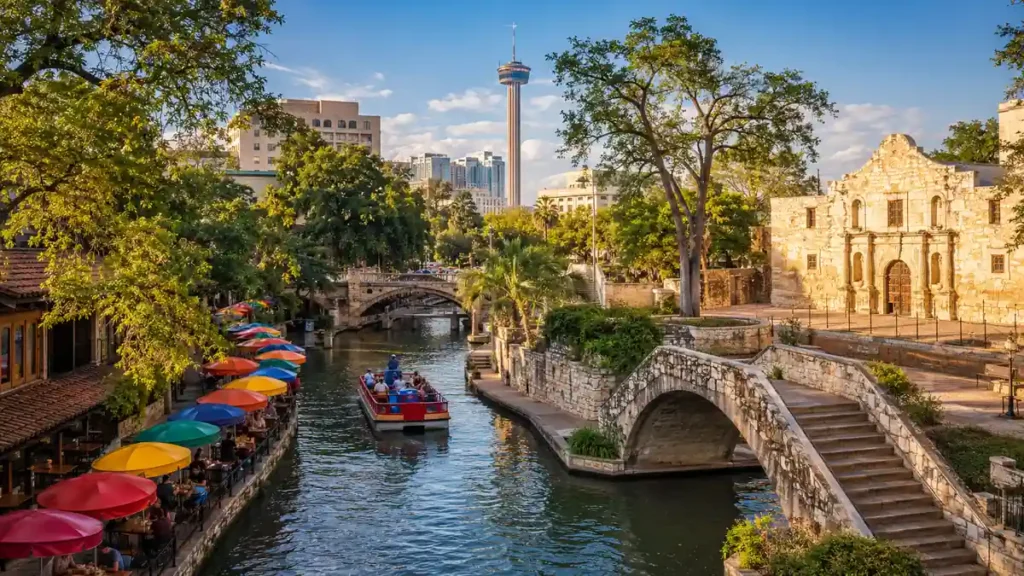
The Alamo is San Antonio’s most recognizable landmark, but its history extends far beyond the famous 1836 battle. Originally established as Mission San Antonio de Valero, the site reflects approximately three centuries of Indigenous, Spanish, Mexican, Texan, and American history.
Admission to the Alamo Church, Long Barrack, and grounds is free, although a timed reservation may be required. Paid options include guided battlefield tours, digital experiences, and admission to the Alamo Exhibit inside the Ralston Family Collections Center. The exhibit includes artifacts from the Phil Collins Collection.
Do not plan this as a five-minute photograph stop. Allow at least 60 to 90 minutes for the church, grounds, exhibits, and outdoor interpretation. History enthusiasts may want two hours or a guided tour.
The site is undergoing a long-term redevelopment, so entrances, pathways, and individual experiences can change. Check the official Alamo website before visiting.
Practical tip: Arrive near opening time. The plaza is quieter, temperatures are usually more comfortable, and timed experiences are easier to coordinate.
2. Walk the San Antonio River Walk
The San Antonio River Walk—also called Paseo del Río—is a network of pedestrian paths beside the San Antonio River. Its best-known downtown section passes restaurants, hotels, landscaped banks, stone bridges, public art, and historic buildings one level below the streets.
Walking is free, and exploring on foot reveals details easily missed from a boat. Begin near the Alamo, enter the river level around La Villita, and wander without treating every restaurant as a necessary stop.
A narrated GO RIO cruise is worthwhile for first-time visitors who want an easy orientation. The roughly 35-minute trip explains architecture, flood-control engineering, and local history while showing how different sections connect.
The River Walk extends well beyond the commercial downtown loop. The Museum Reach travels north toward the Pearl, while the Mission Reach follows a more natural landscape south toward the historic missions. Altogether, the river corridor covers approximately 15 miles.
3. Explore San Antonio Missions National Historical Park
San Antonio Missions National Historical Park preserves Mission Concepción, Mission San José, Mission San Juan Capistrano, and Mission Espada. Together with the Alamo, the missions form the San Antonio Missions UNESCO World Heritage Site—the only UNESCO World Heritage designation in Texas.
These are not interchangeable ruins. Each mission has different architecture, surviving features, and relationships with its surrounding community. Several remain active Catholic parishes, so visitors should be respectful during services, weddings, and funerals.
Mission San José is the best starting point. Its visitor center, orientation film, granary, defensive walls, church, and famous Rose Window make the broader mission system easier to understand. Ranger-guided walks are sometimes available and add valuable context about colonial power, cultural change, agriculture, craftsmanship, and daily life.
Entrance to the national historical park is free. The four missions can be reached by car, but active travelers can use the Missions Hike and Bike Trail along the Mission Reach.
Quick takeaway: If time is limited, visit Mission San José and Mission Concepción. With half a day, explore all four park missions.
4. Visit Historic Market Square
Historic Market Square presents a lively mix of Mexican and Mexican American food, music, crafts, clothing, souvenirs, and cultural events. El Mercado and the Farmers Market Plaza contain numerous small shops, while Mi Tierra Café y Panadería is known for its vivid décor, pan dulce, and round-the-clock festive atmosphere.
Market Square is most enjoyable during a festival or weekend performance, but those periods also bring heavier crowds. Visit on a weekday morning for easier browsing or later in the day for more energy.
Some merchandise is locally made, while other products are mass-produced imports. Ask vendors about an item’s origin if craftsmanship matters to you.
5. Watch the light show at San Fernando Cathedral
Founded in 1731, San Fernando Cathedral is among the oldest cathedral sanctuaries in the United States. It stands on Main Plaza, within walking distance of the River Walk and Market Square.
After dark, the cathedral façade becomes the screen for San Antonio | The Saga, a large-scale projection by French artist Xavier de Richemont. The free presentation uses music and moving images to interpret the region’s history and cultural identity.
Schedules can change because of weather, holidays, maintenance, or private events. Confirm the current performance calendar rather than arranging an evening around an old listing.
Cultural and historic things to do in san antonio
San Antonio’s identity cannot be reduced to the Alamo alone. Its museums, historic districts, public art, and preserved homes reveal how Tejano, German, Indigenous, Mexican, African American, and Western traditions shaped the city.
6. Wander through La Villita Historic Arts Village
La Villita occupies a compact collection of historic buildings beside the River Walk. Once a residential neighborhood, it now contains galleries, craft shops, courtyards, restaurants, and spaces used for festivals and performances.
The village is small enough to explore in less than an hour. Combine it with the River Walk, Hemisfair, or nearby King William Historic District rather than making a separate journey.
7. Tour the King William Historic District
The King William Historic District is known for restored 19th-century houses built by prominent German merchants. Broad porches, elaborate masonry, shaded streets, and mature trees make it one of the city’s most pleasant areas for a self-guided walk.
Most buildings remain private property. Admire them from public sidewalks and visit Villa Finale or the Steves Homestead when tours align with your schedule.
Continue into the adjacent Southtown Arts District for galleries, murals, independent shops, coffee, and restaurants. First Friday events bring larger crowds and a more energetic atmosphere.
8. Visit the Briscoe Western Art Museum
The Briscoe Western Art Museum occupies San Antonio’s former public library near the River Walk. Its collection considers the American West through paintings, sculpture, saddles, artifacts, and stories involving Native peoples, vaqueros, ranching traditions, wildlife, and frontier life.
This is a manageable museum rather than an exhausting all-day institution. Allow about 90 minutes, then walk through the outdoor sculpture garden.
9. See regional history at the Witte Museum
The Witte Museum combines South Texas history, science, archaeology, wildlife, and cultural exhibitions. Dinosaur displays and interactive areas appeal to children, while galleries about Texas heritage give adults a broader understanding of the region.
Its location in Brackenridge Park makes it easy to pair with the San Antonio Zoo, Japanese Tea Garden, or a picnic. Check the exhibition schedule because temporary shows can significantly affect how long you will want to stay.
10. Discover art at the McNay Art Museum
The McNay Art Museum is housed in a Spanish Colonial Revival mansion surrounded by landscaped grounds. Its collection emphasizes modern art, European and American paintings, sculpture, prints, and theater arts.
The building and courtyard are part of the experience. Even travelers who rarely prioritize art museums may appreciate the intimate setting and peaceful outdoor spaces.
11. Explore the San Antonio Museum of Art
Located in the former Lone Star Brewery, the San Antonio Museum of Art holds collections spanning thousands of years. Its strengths include ancient Mediterranean art, Asian art, Latin American art, contemporary work, and regional collections.
The museum sits on the Museum Reach section of the River Walk. Walking or taking a river shuttle from downtown can turn the journey into part of the visit.
12. Experience contemporary art at Ruby City
Ruby City is a striking contemporary art center south of downtown. Its exhibitions draw from the Linda Pace Foundation collection and typically emphasize modern and experimental work.
Admission policies and opening days should be checked before traveling there. Pair the visit with Southtown, Blue Star Arts Complex, or lunch in the surrounding neighborhood.
Best outdoor attractions and scenic places
San Antonio summers are hot, but the city offers more outdoor variety than many first-time visitors expect. The key is to schedule exposed attractions early and save shaded or indoor activities for the afternoon.
13. Relax in the Japanese Tea Garden
The Japanese Tea Garden is one of the best free places to visit in San Antonio. Built within a former limestone quarry, it features stone walkways, arched bridges, koi ponds, shaded plants, and a dramatic waterfall.
The garden is relatively compact, so 30 to 60 minutes is normally enough. Some paths and steps can be slippery, and not every viewpoint is equally accessible.
Arrive early for cooler temperatures and fewer people taking photographs. Brackenridge Park, the Witte Museum, and San Antonio Zoo are nearby.
14. Explore Brackenridge Park
Brackenridge Park covers more than 300 acres around the San Antonio River. Locals use it for picnics, walking, family gatherings, and access to several cultural attractions.
The park includes trails, historic structures, shaded spaces, and connections to the Japanese Tea Garden, Witte Museum, and zoo. It is better treated as a flexible recreation area than a single must-see monument.
15. Walk through the San Antonio Botanical Garden
The San Antonio Botanical Garden covers varied landscapes rather than one formal garden. Visitors can explore native Texas environments, conservatory displays, themed gardens, culinary plantings, water features, and family-oriented areas.
A typical visit takes two to four hours. Shade is limited in some sections, so carry water, wear sun protection, and visit earlier during warmer months. Hours change seasonally; verify them through the Botanical Garden’s official visitor page.
16. Hike or cycle the Mission Reach
The Mission Reach is the quieter, ecologically restored section of the River Walk south of downtown. Paved paths link natural habitats, public art, river overlooks, and the historic missions.
Cycling is the most efficient way to see several missions in one outing, although pedestrians should choose a shorter segment. Bring water because distances between services can be longer than they appear on a map.
Do not confuse the Mission Reach with the restaurant-lined downtown River Walk. Its appeal is open space, habitat restoration, and a slower view of the San Antonio River.
17. Descend into Natural Bridge Caverns
Natural Bridge Caverns lies outside central San Antonio but remains one of the area’s most popular natural attractions. Guided tours descend through chambers filled with stalactites, stalagmites, flowstone, and other limestone formations.
The caves remain humid, and routes involve stairs, slopes, and damp surfaces. Closed-toe shoes with reliable grip are a better choice than sandals.
Aboveground activities may include ropes courses, gemstone mining, and mazes, making the site suitable for a half-day family trip. Tour availability and physical difficulty vary, so compare routes before reserving.
18. Enjoy panoramic views from Tower of the Americas
Built for HemisFair ’68, the Tower of the Americas rises above Hemisfair and downtown San Antonio. Its observation deck provides a useful perspective on the city’s spread, while a revolving restaurant occupies an upper level.
Clear conditions matter more than the exact time of day. Sunset can be beautiful, but it is also popular. Budget travelers can enjoy strong skyline views from Hemisfair and surrounding streets without buying tower admission.
Family-friendly things to do in San Antonio
Families can choose between wildlife, accessible recreation, science museums, water attractions, and major theme parks. Avoid trying to fit a theme park and downtown sightseeing into the same day; both are more enjoyable when given enough time.
19. Spend a morning at San Antonio Zoo
San Antonio Zoo houses animals from around the world in Brackenridge Park. Exhibits include Naylor Savanna, Big Cat Valley, Reptile House, Kangaroo Krossing, and Congo Falls, an immersive gorilla habitat.
Morning visits generally offer cooler weather and more active animals. Families should allow at least three hours, while visitors who add feedings, rides, or behind-the-scenes experiences may need most of the day.
Ticket prices and seasonal events vary. Review the official San Antonio Zoo website before visiting.
20. Experience Morgan’s Wonderland
Morgan’s Wonderland was designed around accessibility and inclusion. Rides, sensory spaces, play areas, and other experiences welcome guests with and without disabilities.
The park is especially valuable for families who often encounter physical or sensory barriers at conventional attractions. It is not merely a small playground; it is a thoughtfully designed destination with activities for different ages and abilities.
Operating dates can be seasonal, so confirm the calendar before making the drive.
21. Choose between SeaWorld and Six Flags Fiesta Texas
SeaWorld San Antonio combines marine-life presentations, animal experiences, rides, and seasonal water attractions. Six Flags Fiesta Texas focuses more heavily on roller coasters, thrill rides, live entertainment, and a separate water-park experience during its operating season.
Choose based on your group rather than brand recognition:
| Attraction | Best for | Allow |
|---|---|---|
| SeaWorld San Antonio | Marine life, mixed-age families, shows and rides | Full day |
| Six Flags Fiesta Texas | Roller coasters, thrill seekers, older children | Full day |
| Morgan’s Wonderland | Inclusive and accessible family recreation | Half to full day |
| San Antonio Zoo | Wildlife and a flexible central location | 3–5 hours |
Both major theme parks use date-specific schedules. Water attractions, shows, and individual rides may close because of weather, maintenance, or seasonal operations.
22. Visit the DoSeum
The DoSeum is a hands-on children’s museum focused on science, technology, engineering, art, math, literacy, and imaginative play. It works best for younger children who learn by touching, building, testing, and moving.
Allow two to three hours. Because the DoSeum is near Brackenridge Park, it can be paired with the Botanical Garden or a short zoo visit, although combining all three in one day is too ambitious for most families.
Food, neighborhoods, and local experiences
San Antonio’s culinary identity blends Tejano cooking, Mexican traditions, Texas barbecue, German influences, contemporary restaurants, bakeries, and casual neighborhood institutions. Tex-Mex matters here, but it is only one part of the city’s food culture.
23. Eat and explore at the Pearl
The Pearl occupies a redeveloped brewery complex north of downtown. It now contains restaurants, shops, public spaces, apartments, the Hotel Emma, and the Culinary Institute of America’s San Antonio campus.
Weekend farmers markets attract local producers and larger crowds. Weekdays are calmer and make it easier to appreciate the architecture, browse shops, and find a table.
Walk the Museum Reach between downtown and the Pearl if temperatures are comfortable. The route includes landscaping, locks, bridges, and public art, offering a more rewarding arrival than driving directly into a parking garage.
24. Taste San Antonio beyond the River Walk
The downtown River Walk is convenient, but some restaurants depend more on location than cooking. For a broader experience, eat in several neighborhoods rather than taking every meal beside the water.
Look for:
- Breakfast tacos filled with eggs, potatoes, beans, chorizo, or barbacoa
- Puffy tacos with crisp, inflated corn shells
- Barbacoa and Big Red, a deeply local weekend combination
- Pan dulce from a neighborhood panadería
- Chile con carne, enchiladas, and other Tex-Mex staples
- Texas barbecue, especially brisket and sausage
- Contemporary Mexican and South Texas cooking
- German-influenced food reflecting the region’s immigrant history
Ask residents where they eat near your current neighborhood. The answer often leads to a modest taquería or bakery rather than a nationally advertised landmark.
25. Find murals, galleries, and nightlife in Southtown
Southtown brings together the King William Historic District, Blue Star Arts Complex, galleries, restaurants, bars, and residential streets. It is a good evening alternative to the busiest River Walk blocks.
First Friday gallery events create a festive atmosphere, though parking becomes more difficult. On quieter days, the neighborhood is better for an unhurried meal, mural walk, or coffee stop.
Free things to do in San Antonio
Several defining San Antonio experiences cost nothing, making it possible to build a meaningful day on a limited budget.
The strongest free options include:
- Walking the San Antonio River Walk
- Entering the Alamo Church and grounds with the required reservation
- Visiting San Antonio Missions National Historical Park
- Exploring the Japanese Tea Garden
- Walking through Historic Market Square
- Visiting Main Plaza and San Fernando Cathedral
- Watching San Antonio | The Saga when scheduled
- Exploring La Villita
- Walking the King William Historic District
- Hiking or cycling the Mission Reach
- Relaxing at Hemisfair
- Browsing public areas at the Pearl
Parking can still carry a cost. Staying downtown or using public transportation may save money when several attractions are grouped into one day.
How many days do you need in San Antonio?
Three days is enough for a balanced first visit. Two days covers the essentials but requires sharper choices, while four or five days allows time for theme parks, museums, or an excursion to Natural Bridge Caverns.
A practical three-day San Antonio itinerary
| Day | Morning | Afternoon | Evening |
|---|---|---|---|
| Day 1 | Alamo | River Walk and La Villita | Main Plaza light show |
| Day 2 | Mission San José and Mission Concepción | Mission Reach or Southtown | King William dinner |
| Day 3 | Brackenridge Park attraction | Pearl and Museum Reach | Pearl or downtown |
Families can replace Day 3 with SeaWorld, Six Flags Fiesta Texas, Morgan’s Wonderland, or the zoo. Museum lovers can combine the San Antonio Museum of Art, Briscoe Western Art Museum, and McNay across two days.
When is the best time to visit San Antonio?
Spring and fall generally offer the most comfortable sightseeing weather. March through May brings pleasant conditions and major events, including Fiesta San Antonio, though hotel rates and crowds can rise around festival dates.
October and November are often comfortable for walking and outdoor dining. Winter is usually mild, and seasonal lights make the River Walk particularly attractive.
Summer brings intense heat. Temperatures can make long midday walks uncomfortable, especially at the missions, theme parks, Botanical Garden, and Mission Reach. Start outdoor sightseeing early, rest indoors during the hottest hours, and return outside in the evening.
Flash flooding is another serious consideration. Never enter barricaded roads or low-water crossings during heavy rain, even when the water looks shallow.
How to get around San Antonio
Downtown San Antonio is walkable, but the wider city is spread out. The Alamo, central River Walk, La Villita, Hemisfair, Briscoe Museum, and San Fernando Cathedral can be explored on foot.
VIA Metropolitan Transit buses serve the city, and rideshare services are widely available. A car becomes more useful for Natural Bridge Caverns, the major theme parks, outer neighborhoods, and a compressed mission tour.
Cyclists can use the river’s trail system to reach the missions, but distance, heat, and limited shade must be considered. Downtown parking garages are often easier than repeatedly searching for street parking.
Practical tips for planning your visit
A few decisions can make the city much easier to experience:
- Group attractions geographically. Keep downtown sites together, visit Brackenridge Park attractions on another day, and reserve a separate block for the missions.
- Check official hours. Seasonal schedules, timed tickets, church services, construction, and special events can affect access.
- Reserve major experiences early. Alamo tours, theme-park tickets, popular restaurants, and special museum exhibitions can fill up.
- Carry water. Heat and humidity can be draining even when distances look short.
- Wear reliable walking shoes. River paths, mission grounds, cave routes, and historic streets involve uneven or slippery surfaces.
- Do not overschedule. Travel time between downtown, theme parks, caverns, and northern attractions adds up.
- Respect active religious sites. The missions and San Fernando Cathedral are places of worship, not simply historic displays.
- Review the event calendar. Fiesta, Día de los Muertos celebrations, holiday lights, rodeo events, and cultural festivals can transform a visit.
The most memorable things to do in san antonio connect its living culture with its landmarks. Start with the Alamo and River Walk, but leave time for the missions, neighborhoods, local food, museums, and quieter stretches of the river. That combination reveals a city with far more depth than its best-known postcard views.