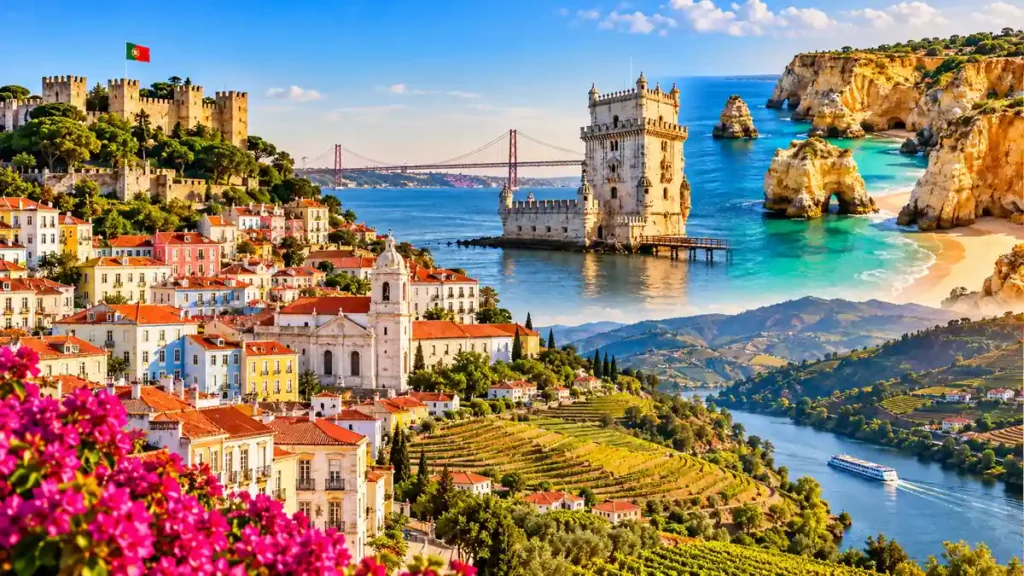
Traveling alone gives you something group trips rarely offer: complete freedom to explore at your own pace. You choose where to go, how long to stay, and which experiences deserve your time. But choosing the right destination can make the difference between a stressful first trip and an unforgettable adventure.
The best places to travel solo include Japan, Portugal, Iceland, Thailand, New Zealand, Spain, Vietnam, and Costa Rica. These destinations offer different combinations of reliable transportation, welcoming tourism infrastructure, cultural attractions, affordable accommodation, and opportunities to meet other travelers. The ideal choice depends on your budget, travel experience, interests, and comfort with independent exploration.
Solo travel is no longer limited to backpackers or experienced adventurers. It appeals to students, professionals, retirees, digital nomads, and anyone interested in exploring the world independently.
1. Best Places to Travel Solo for First-Time Travelers
Your first solo destination should make everyday travel decisions manageable. Clear transportation systems, accessible accommodation, established tourism routes, and reliable communication can help you build confidence.
These five destinations offer particularly useful starting points.
Japan: Best for Convenient Transportation and Cultural Experiences


6
Japan is an excellent destination for independent travelers who value organization, public transportation, and cultural variety.
Tokyo combines modern architecture, shopping districts, museums, and restaurants with quiet temples and traditional neighborhoods. Kyoto offers historic shrines, gardens, tea culture, and opportunities to experience traditional Japanese architecture.
Why Japan works for solo travelers:
- Extensive rail and subway networks
- Numerous restaurants suitable for individual diners
- Capsule hotels, hostels, and business hotels
- Clear station signage in major tourist areas
- A wide range of urban and cultural activities
The Japan Rail Pass can be useful for some long-distance itineraries, although individual tickets or regional passes may offer better value depending on your route.
Things to consider: Accommodation in major cities can be expensive during peak travel periods. Some rural destinations require advance transport planning, and English communication may be limited outside tourist areas.
Best time to visit: March–May for spring scenery or October–November for autumn foliage.
Portugal: Best for Relaxed European Exploration


Portugal combines historic cities, coastal scenery, and relatively manageable travel distances.
Lisbon is known for its colorful neighborhoods, traditional trams, viewpoints, and lively cafés. Porto offers riverside walks, distinctive architecture, and access to the Douro Valley.
Solo travelers can enjoy guided walking tours, cultural events, and day trips without organizing complicated itineraries.
Portugal is particularly appealing because its major tourist cities have established accommodation networks and convenient connections.
Things to consider: Lisbon’s steep streets can be physically demanding. Popular coastal destinations and central accommodations become expensive during summer.
Best time to visit: April–June or September–October.
Iceland: Best for Nature and Scenic Adventures


7
Iceland offers dramatic landscapes, including waterfalls, glaciers, volcanic terrain, geothermal pools, and black-sand beaches.
Reykjavík provides a convenient base for guided excursions to the Golden Circle, South Coast, and nearby geothermal attractions.
Joining organized day tours can be particularly useful for solo visitors who do not want to rent a vehicle.
However, Iceland’s weather and geography require serious preparation. Strong winds, icy roads, remote hiking routes, and sudden weather changes can create hazards even for experienced travelers.
Things to consider: Iceland is expensive, and public transportation outside populated areas is limited. Solo road trips require careful weather and route planning.
Best time to visit: June–August for longer daylight hours and easier outdoor access. September–March offers opportunities to see the northern lights, although sightings are never guaranteed.
New Zealand: Best for Outdoor Adventure


8
New Zealand is well suited to travelers who enjoy mountains, hiking, lakes, and adventure activities.
Queenstown is known for its outdoor recreation, while Rotorua offers geothermal landscapes and Māori cultural experiences. Auckland and Wellington provide urban attractions and transportation connections.
Established backpacker routes and guided activities make it easier to meet other travelers.
Things to consider: Distances can be substantial, particularly when exploring both the North and South Islands. Car rentals, intercity transport, and adventure activities can increase expenses.
Best time to visit: December–March for warmer outdoor conditions, or March–May for autumn scenery.
Singapore: Best for a Short and Organized Solo Trip


7
Singapore is a practical choice for someone taking a first international trip alone.
Its Mass Rapid Transit (MRT) network connects major attractions, neighborhoods, and transport hubs. English is widely used, and the city has well-established public infrastructure.
Solo visitors can explore Gardens by the Bay, Marina Bay, Chinatown, Little India, and hawker centers without needing a private vehicle.
Hawker centers are especially convenient for independent diners because they offer varied meals in casual communal settings.
Things to consider: Hotels can be costly, and Singapore has strict laws governing certain behaviors and prohibited items.
Best time to visit: Year-round, although heat, humidity, and rainfall are common.
2. Best Places to Travel Solo on a Budget
Traveling independently does not necessarily mean spending more. Several destinations have extensive guesthouse networks, inexpensive local food, and affordable transportation.
Southeast Asia is particularly popular among budget-conscious backpackers.
Thailand: Best for Backpacking and Meeting People


7
Thailand offers a combination of beaches, temples, markets, nightlife, and established backpacking routes.
Bangkok provides cultural attractions and urban experiences. Chiang Mai is popular for temples, cafés, cooking classes, and access to northern landscapes. Krabi and the southern islands attract visitors interested in beaches and water activities.
Hostels, group excursions, and organized activities create opportunities for social interaction.
Budget travelers can reduce costs by eating at local restaurants, using public transport, and choosing accommodation away from major tourist hotspots.
Things to consider: Tourist scams, traffic risks, and seasonal weather deserve attention. Island transportation and popular beach accommodation can be expensive.
Best time to visit: November–February for generally more comfortable conditions in much of the country, although regional weather varies.
Vietnam: Best for Affordable Food and Cultural Discovery


6
Vietnam offers outstanding variety for independent travelers.
Hanoi has historic streets, markets, and a distinctive food culture. Hoi An is known for its preserved old town, lantern-lit streets, and nearby beaches. Ho Chi Minh City offers museums, architecture, and energetic urban life.
Ha Long Bay and the mountainous northern regions provide opportunities for scenic excursions.
Vietnam’s accommodation options range from budget hostels to comfortable boutique hotels.
Things to consider: Road traffic can be challenging, particularly when crossing busy streets. Long-distance travel requires planning, and weather differs considerably between northern, central, and southern Vietnam.
Best time to visit: March–April or October–November for a useful compromise across several regions, although no single season is ideal nationwide.
Indonesia: Best for Islands, Wellness, and Nature


7
Indonesia appeals to solo travelers seeking tropical scenery, cultural experiences, and opportunities to connect with international visitors.
Bali is particularly popular because of its guesthouses, yoga classes, cafés, and group activities.
Ubud offers rice terraces, temples, and cultural workshops. Coastal areas such as Sanur and Canggu provide different combinations of beaches, dining, and social experiences.
Beyond Bali, destinations such as Yogyakarta and Lombok offer additional cultural and natural attractions.
Things to consider: Traffic congestion can make short journeys surprisingly slow. Boat safety standards vary, and volcanic activity can affect travel plans.
Best time to visit: April–October for generally drier conditions in Bali and much of Java.
Mexico: Best for Food, History, and Varied Travel Styles


7
Mexico offers an impressive combination of archaeological sites, regional cuisine, historic cities, and coastal landscapes.
Mexico City has major museums, galleries, markets, and walkable neighborhoods. Oaxaca is celebrated for traditional food, crafts, and cultural heritage. Mérida offers access to Yucatán’s historical attractions.
Group food tours and cultural excursions can make exploring independently more social.
Things to consider: Safety conditions differ substantially by state, city, and neighborhood. Travelers should review current official advisories and local guidance rather than assuming that all destinations have similar risk levels.
Best time to visit: November–April for generally drier conditions in many popular regions.
3. Best Places to Travel Solo in Europe
Europe offers a strong combination of historic cities, extensive railway networks, cultural attractions, and established tourism services.
Travelers can explore multiple destinations without renting a car, although costs and transport quality vary between countries.
Spain: Best for Art, Food, and Social Experiences


Spain is an appealing choice for independent travelers who enjoy vibrant cities, architecture, and food.
Madrid offers renowned museums, including the Prado Museum and Reina Sofía, while Barcelona combines distinctive architecture with Mediterranean coastal scenery.
Seville and Granada are especially interesting for travelers exploring Andalusian history and architecture.
Spain’s high-speed rail network connects several major cities, making multi-city itineraries practical.
Madrid was ranked first in a 2026 European solo travel index examining factors including transport, accommodation, connectivity, and safety.
Here’s Why
Things to consider: Pickpocketing can occur in crowded tourist areas. Meal times are often later than visitors expect, and summer temperatures can be extreme in inland cities.
Best time to visit: April–June or September–October.
Ireland: Best for Friendly Cities and Cultural Experiences


Ireland is attractive for travelers who enjoy literature, traditional music, historic towns, and coastal landscapes.
Dublin has museums, literary landmarks, historic neighborhoods, and a lively cultural scene. Galway provides access to western Ireland’s scenery and traditional music venues.
English-language communication makes many travel arrangements straightforward.
Dublin also topped Tripadvisor’s 2026 list of destinations for solo travelers, ahead of Berlin and London.
Here’s Why
Things to consider: Accommodation can be expensive, especially in Dublin. Exploring rural areas may require organized tours or careful bus planning.
Best time to visit: May–September for longer days, although rain remains possible throughout the year.
Czechia: Best for Architecture and Walkable Cities


7
Prague is an excellent destination for travelers interested in European history, architecture, and affordable cultural experiences.
The city’s historic center contains the Charles Bridge, Prague Castle, Old Town Square, and numerous museums.
Its compact central districts make sightseeing convenient, while trams and metro services help visitors reach attractions beyond the old town.
Czechia also offers destinations outside Prague, including Český Krumlov and Brno.
Things to consider: Tourist-heavy areas can be crowded, and restaurants immediately beside major landmarks may charge significantly more than nearby alternatives.
Best time to visit: April–June or September–October.
4. Best Places to Travel Solo for Nature and Adventure
For some travelers, the ideal independent journey involves wildlife, forests, mountains, and outdoor activities rather than busy cities.
These destinations provide memorable natural experiences, although remote travel requires additional safety planning.
Costa Rica: Best for Wildlife and Eco-Adventures


8
Costa Rica is a leading destination for travelers interested in biodiversity, rainforests, volcanoes, and outdoor recreation.
La Fortuna provides access to Arenal Volcano, hot springs, and guided nature activities. Monteverde is known for its cloud forests and wildlife experiences.
Coastal destinations such as Manuel Antonio offer beaches, national parks, and opportunities to observe tropical wildlife.
Group activities make Costa Rica appealing for people who want independent travel without spending every day alone.
Things to consider: Costa Rica can be more expensive than other Central American destinations. Roads and public transport may be slow, particularly in rural areas.
Best time to visit: December–April for generally drier conditions on the Pacific side, with regional variations.
Canada: Best for National Parks and Urban Exploration


Canada combines major multicultural cities with extensive wilderness areas.
Vancouver offers coastal walks, mountain scenery, and cultural attractions. Toronto provides museums, neighborhoods, and a wide range of dining experiences.
Banff and Jasper National Parks are known for alpine lakes, mountain landscapes, and hiking opportunities.
Solo visitors can explore cities independently while joining organized excursions for remote natural attractions.
Things to consider: Canada is geographically enormous. Transportation between distant regions can be costly, and wilderness activities require preparation for wildlife, changing weather, and limited mobile coverage.
Best time to visit: June–September for many hiking destinations, or December–March for winter sports.
Australia: Best for Beaches, Wildlife, and Road Trips


Australia offers major cities, coastal landscapes, wildlife experiences, and established backpacking routes.
Sydney is known for its harbor, beaches, and cultural attractions. Melbourne offers galleries, cafés, sporting events, and a lively arts scene.
Queensland provides access to tropical environments and the Great Barrier Reef, while the Great Ocean Road is famous for dramatic coastal scenery.
Australia ranked among the three most desired solo travel countries in a 2026 FTLO Travel survey, alongside Japan and New Zealand.
Travel + Leisure
Things to consider: Long distances and domestic flights can increase costs. Beach conditions, extreme heat, bushfires, and marine hazards require attention.
Best time to visit: Depends on the region. September–November and March–May are useful shoulder seasons for many southern destinations.
5. How to Choose the Best Places to Travel Solo
There is no single destination that suits every independent traveler. Your ideal location depends on what you want from the experience.
Compare Destinations by Travel Style
The following table summarizes the 15 destinations covered above.
| Destination | Best for | Typical cost level | Suggested trip |
|---|---|---|---|
| Japan | Culture and transport | Moderate–High | 7–14 days |
| Portugal | Relaxed European travel | Moderate | 5–10 days |
| Iceland | Dramatic landscapes | High | 5–8 days |
| New Zealand | Outdoor adventure | High | 10–21 days |
| Singapore | First international trip | Moderate–High | 3–5 days |
| Thailand | Social backpacking | Low–Moderate | 10–21 days |
| Vietnam | Budget cultural travel | Low | 10–21 days |
| Indonesia | Islands and wellness | Low–Moderate | 7–14 days |
| Mexico | Food and history | Low–Moderate | 7–14 days |
| Spain | Art and city life | Moderate | 7–14 days |
| Ireland | Culture and social experiences | High | 5–10 days |
| Czechia | Architecture and city breaks | Moderate | 3–7 days |
| Costa Rica | Wildlife and adventure | Moderate–High | 7–14 days |
| Canada | Cities and national parks | High | 7–14 days |
| Australia | Beaches and road trips | High | 10–21 days |
Cost levels are broad comparisons of typical on-the-ground travel expenses, excluding international flights. Actual spending varies by season, city, accommodation, and activities.
Consider Your Comfort With Traveling Alone
First-time travelers often benefit from destinations with straightforward transportation and abundant tourist services.
Japan, Singapore, Portugal, and Spain are strong possibilities for this type of trip.
Experienced travelers may prefer destinations requiring more independent planning, such as remote areas of Iceland, Indonesia, or Costa Rica.
Choose Between Social Travel and Quiet Exploration
Not everyone travels alone for the same reason.
Some people want to meet others, while others prefer uninterrupted time to explore.
For social opportunities, consider Thailand, Vietnam, Bali, or Australia’s established backpacking routes.
For quieter experiences, consider Japanese gardens and cultural sites, Icelandic landscapes, or smaller Portuguese towns.
Neither approach is inherently better. The important factor is selecting an environment that supports your preferred pace.
6. Solo Travel Safety, Budgeting, and Practical Planning
Choosing a destination is only the beginning. Good preparation can reduce avoidable problems and help you enjoy greater independence.
Is Solo Travel Safe?
Solo travel can be reasonably safe with appropriate preparation, but no destination is risk-free.
Risks vary by neighborhood, activity, season, individual circumstances, and current local conditions.
A country with relatively low crime may still have dangerous hiking routes, severe weather, traffic hazards, or natural disasters.
Before departure, consult official travel advisories, local weather services, and destination-specific entry requirements.
For additional context, the Global Peace Index compares countries using broader measures of peacefulness. It is useful background information, but it should not replace practical neighborhood-level safety research.
Essential Safety Tips for Traveling Alone
- Research your arrival location. Identify the airport, transportation options, and accommodation address before leaving.
- Book your first night in advance. Arriving with confirmed accommodation reduces uncertainty.
- Share your itinerary. Give a trusted contact your main travel plans and check-in expectations.
- Protect important documents. Keep secure digital copies of your passport, visa, and insurance details.
- Avoid unnecessary nighttime risks. Use reputable transportation and remain aware of your surroundings.
- Prepare offline navigation. Download maps and essential addresses in case mobile data becomes unavailable.
- Choose activities carefully. Avoid remote hikes, unsafe swimming conditions, and unfamiliar adventure activities without suitable preparation.
- Know emergency procedures. Save local emergency numbers and your embassy or consulate contact information.
Solo female travelers may also want to research accommodation access, transport after dark, local harassment patterns, and cultural expectations. Safety planning should reflect actual destination conditions rather than relying on general assumptions about a country.
How Much Does Solo Travel Cost?
The cost of independent travel depends on your destination, accommodation preferences, activities, and length of stay.
A major consideration is that solo travelers cannot automatically split hotel rooms, rental cars, or private transportation costs with another person.
The following are illustrative daily planning ranges in US dollars.
| Destination | Budget travel | Mid-range travel |
|---|---|---|
| Thailand | $30–55 | $65–120 |
| Vietnam | $25–45 | $55–100 |
| Indonesia | $30–55 | $65–120 |
| Portugal | $55–90 | $110–190 |
| Japan | $65–110 | $130–220 |
| Spain | $65–100 | $120–210 |
| Iceland | $110–180 | $220–350+ |
| New Zealand | $80–140 | $160–270 |
Illustrative planning estimates for accommodation, meals, local transport, and ordinary sightseeing. These are not live price quotes and exclude international flights, visas, insurance, and major paid excursions.
Budget hostels, local restaurants, public transportation, and free attractions can help control expenses.
However, choosing the cheapest available option is not always wise. Accommodation location, cleanliness, secure storage, and reliable transport may justify spending more.
How to Meet People While Traveling Alone
Being a solo traveler does not mean remaining isolated.
Many destinations offer organized activities where meeting others happens naturally.
Useful options include walking tours, cooking classes, language exchanges, hostel events, group hikes, and cultural workshops.
Platforms such as Hostelworld, Meetup, and organized tour providers can help travelers discover activities, although availability differs by destination.
Choose group activities that genuinely interest you rather than feeling pressured to socialize constantly.
It is also perfectly reasonable to spend entire days exploring independently.
How to Plan Your First Solo Trip
A simple itinerary often works better than an ambitious schedule.
For a first international solo journey, consider the following approach:
- Choose one destination that matches your budget and interests.
- Check passport validity, visa rules, and entry requirements.
- Select a trip length of approximately five to seven days if practical.
- Book centrally located accommodation with reliable recent reviews.
- Arrange a dependable airport transfer or public transport route.
- Plan one main activity each day, leaving room for spontaneous exploration.
- Purchase suitable travel insurance and check its exclusions.
- Keep emergency funds separate from your everyday spending money.
Travel insurance deserves particular attention if your itinerary includes hiking, diving, skiing, or other adventure activities. Standard policies do not necessarily cover every activity.
7. Best Places to Travel Solo by Season and Personal Interest
Timing can significantly affect your experience. A destination that feels ideal in one season may be uncomfortable or difficult to explore in another.
Best Solo Destinations by Season
| Season | Destinations to consider | Main appeal |
|---|---|---|
| January–March | Thailand, Costa Rica, Singapore | Tropical travel and outdoor activities |
| April–June | Japan, Portugal, Spain, Czechia | Spring scenery and city exploration |
| July–September | Iceland, Canada, Ireland, New Zealand ski regions | Long northern summer days or southern winter sports |
| October–December | Japan, Vietnam, Portugal, Thailand | Autumn scenery and favorable weather in selected regions |
Seasonal conditions vary within countries. Thailand’s islands, Vietnam’s regions, and Australia’s states do not all follow identical weather patterns.
Best Destinations for Solo Female Travelers
Japan, Singapore, Portugal, New Zealand, and Iceland are frequently considered by women planning independent trips because of their transport systems, tourism infrastructure, and opportunities for structured activities.
However, being popular among solo female travelers does not guarantee personal safety.
Accommodation security, neighborhood choice, nighttime transportation, and local conditions remain important everywhere.
A 2026 Time Out guide also highlights the value of established travel routes, social opportunities, and practical transport when choosing destinations for women traveling independently.
Time Out Worldwide
Best Destinations for Solo Travelers Over 40 or 50
Solo travel is not limited to any particular age group.
Travelers over 40 or 50 may enjoy destinations with cultural depth, comfortable accommodation, accessible transport, and flexible sightseeing.
Portugal, Japan, Ireland, Spain, and New Zealand offer varied experiences that can be adapted to different activity levels.
Small-group excursions can provide companionship without requiring travelers to give up control over their entire itinerary.
Best Destinations for Introverts
Introverted travelers may prefer destinations that allow independent activities without constant social interaction.
Japan is particularly suitable for solo dining, museum visits, and quiet cultural exploration.
Iceland offers scenic excursions and opportunities for peaceful outdoor experiences, while New Zealand provides nature-focused itineraries.
For introverts, the best trip often balances interesting activities with enough downtime to avoid exhaustion.
Final Thoughts: Which Solo Destination Should You Choose?
The best places to travel solo are destinations that match your interests, budget, experience, and preferred level of independence.
Japan and Singapore are excellent starting points for travelers who appreciate organized infrastructure. Portugal and Spain offer accessible cultural experiences, while Thailand and Vietnam are attractive for budget-conscious visitors hoping to meet fellow travelers.
Iceland, New Zealand, Costa Rica, Canada, and Australia are particularly appealing for outdoor adventures.
Your first solo trip does not need to be long, expensive, or complicated. Choose a manageable destination, prepare for the practical details, and leave enough flexibility to enjoy discovering a new place on your own.
The most rewarding part of solo travel is often not simply where you go, but the confidence and independence you develop along the way.