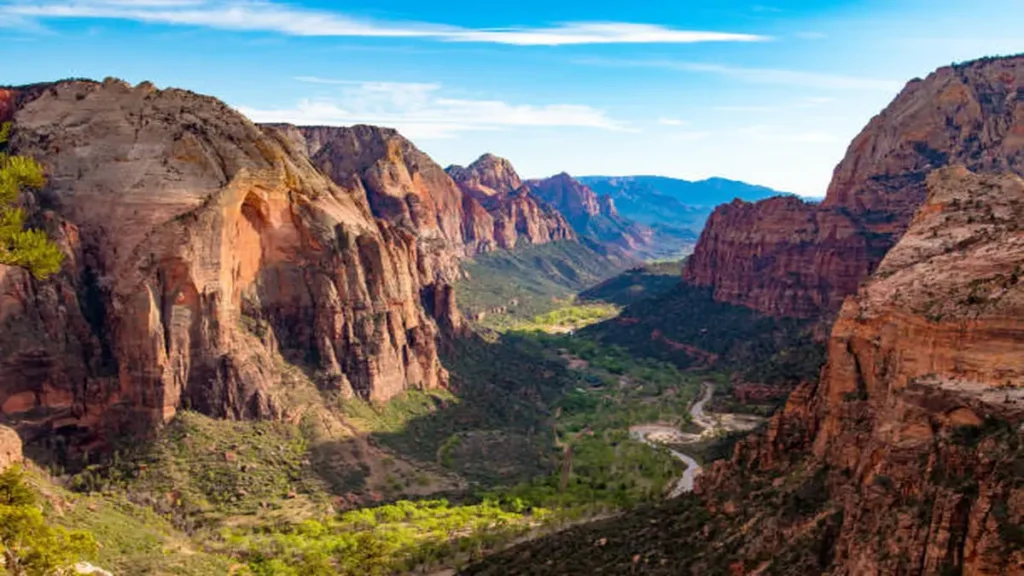
Sedona looks almost unreal the first time you see it. Massive crimson cliffs rise above juniper-covered desert, sandstone towers glow orange near sunset, and hiking trails disappear into canyons just minutes from town.
The challenge is not finding things to do in sedona. It is deciding what deserves your limited vacation time. Sedona combines world-class hiking, scenic drives, Native American heritage, spiritual sites, art galleries, swimming holes, mountain biking, Jeep adventures, wellness experiences, and some of Arizona’s clearest night skies.
For a first visit, the best things to do in sedona are hiking Cathedral Rock or Bell Rock, seeing Devil’s Bridge, visiting the Chapel of the Holy Cross, exploring Oak Creek Canyon, watching sunset from Airport Mesa, visiting Tlaquepaque, experiencing a vortex site, and staying after dark for stargazing.
Sedona’s official tourism organization says the area offers more than 300 miles of hiking and biking trails, so trying to experience everything in one weekend is unrealistic. Use this guide to prioritize the experiences that match your interests, ability level, and available time.
1. Hike Cathedral Rock
Cathedral Rock is one of Sedona’s defining landmarks and one of the first places many visitors picture when planning a trip.
The Cathedral Rock Trail is relatively short, but do not confuse short with easy. Sections require scrambling up steep sandstone rather than simply walking along a traditional trail. Good footwear and confidence on exposed rock make the experience much more comfortable.
Once you climb higher, the views open dramatically across the surrounding red-rock landscape.
Cathedral Rock is also commonly described as one of Sedona’s major vortex locations, which means you will encounter hikers visiting for both scenery and spiritual reasons.
Is Cathedral Rock worth the hike?
For physically capable visitors who are comfortable scrambling, yes. It provides a much bigger sense of adventure than its relatively short distance might suggest.
If steep rock makes you uncomfortable, you do not need to reach the highest accessible areas to enjoy Cathedral Rock. Lower trails and viewpoints around Red Rock Crossing and Crescent Moon Ranch provide excellent views of the formation without the strenuous climb.
Sedona Shuttle currently provides service to Cathedral Rock on its trailhead network, and parking restrictions may apply when shuttle service is operating.
Quick Takeaway: Hike Cathedral Rock early in your trip if it is a priority. Crowds, heat, parking restrictions, and afternoon weather can all complicate a late start.
2. Walk Around Bell Rock and Courthouse Butte
Bell Rock is one of the easiest iconic Sedona formations to experience without committing to a strenuous hike.
Located south of central Sedona near the Village of Oak Creek, the massive bell-shaped sandstone formation dominates the landscape along State Route 179.
You can simply stop at a viewpoint, walk part of the Bell Rock Pathway, or connect surrounding trails for a longer hike.
Nearby Courthouse Butte creates an even more impressive backdrop.
This area works particularly well for:
- First-time Sedona visitors
- Families
- Travelers wanting an easier hike
- Photographers
- Mountain bikers
- Visitors interested in vortex sites
- People with only a few hours in Sedona
The larger Bell Rock trail system provides flexibility that Cathedral Rock does not. You can walk for 20 minutes, spend half a day exploring, or turn around whenever the terrain stops being enjoyable.
3. See Devil’s Bridge
Devil’s Bridge is Sedona’s famous natural sandstone arch and one of the most photographed hiking destinations in northern Arizona.
The final approach takes hikers up natural rock steps before reaching the bridge itself.
Photos can make the sandstone arch appear terrifyingly narrow. In person, the walking surface is wider than many first-time visitors expect, although there are real drop-offs and no guardrail.
Do not feel obligated to walk onto the bridge simply because everyone else is doing it.
How do you reach Devil’s Bridge?
The exact hiking distance depends on where you begin and whether road access is available to your vehicle. Many visitors use the Dry Creek Vista area.
The Sedona Shuttle serves Dry Creek Vista, which provides access toward Devil’s Bridge, and the fixed-route trailhead service does not require reservations.
Start early if possible. Devil’s Bridge is famous enough that a peaceful desert hike can quickly turn into a line of visitors waiting for photographs.
If your main goal is solitude rather than checking off a landmark, Sedona has quieter trails that may suit you better.
4. Visit the Chapel of the Holy Cross
The Chapel of the Holy Cross is one of Sedona’s most recognizable human-made landmarks.
Built directly into the red-rock environment, the Catholic chapel appears almost fused with the surrounding cliffs.
You do not need to be religious to appreciate the architecture or views.
Inside, the atmosphere is quiet and contemplative. Outside, elevated viewpoints reveal dramatic formations across the valley.
The chapel is currently generally open from 9 a.m. to 4:45 p.m., although travelers should verify hours before visiting because schedules can change.
Because parking near the chapel is limited, visiting earlier in the day often makes the experience easier.
Allow roughly 30–60 minutes unless you plan to stay for prayer or spend significant time taking photographs.
5. Explore Oak Creek Canyon
North of Sedona, Arizona State Route 89A winds through Oak Creek Canyon toward Flagstaff.
The transition is striking. Sedona’s exposed red-rock scenery gradually gives way to steep canyon walls, forests, flowing water, and shaded picnic areas.
Oak Creek Canyon is one of the best choices when you want a break from open desert terrain.
Popular activities include:
- Scenic driving
- Hiking
- Picnicking
- Photography
- Fishing
- Swimming where conditions permit
- Fall-color viewing
Traffic can become slow during busy weekends and holidays, so do not plan the drive as though it were an ordinary highway journey.
Part of the appeal is moving slowly anyway.
6. Swim at Slide Rock State Park
One of the most enjoyable summer activities near Sedona requires no artificial water park.
At Slide Rock State Park, Oak Creek flows across smooth sandstone, creating a naturally slippery section of creek that people have used as a waterslide for generations.
The water can feel surprisingly cold even when the Arizona sun is intense.
Bring water shoes with traction because algae-covered rock can be extremely slippery.
Slide Rock is especially popular with families, although the combination of wet rock, moving water, and uneven surfaces means adults should supervise children carefully.
Arizona State Parks operates Slide Rock independently from the U.S. Forest Service, so state-park admission is separate from the Red Rock Pass used at certain national-forest recreation sites. The Forest Service’s recreation guide specifically identifies Slide Rock and Red Rock State Park as separate-fee locations.
Swimming conditions can change after storms or high water. Check current park conditions before entering Oak Creek.
7. Watch Sunset From Airport Mesa
Airport Mesa is one of the classic sunset locations in Sedona because it offers broad views across town toward multiple red-rock formations.
It is also associated with one of Sedona’s best-known vortex sites.
You can visit during daylight, but late afternoon is when the landscape becomes especially photogenic. As the sun drops, sandstone formations shift from muted red to orange and deep crimson.
The main drawback is predictable: everyone else knows about the sunset too.
Parking can fill before golden hour.
Arrive early, explore the nearby trail, and treat sunset as the final part of the experience rather than showing up five minutes before the sun disappears.
For photographers, stay after sunset. Color frequently remains in the sky after the sun itself has dropped below the horizon.
8. Experience a Sedona Vortex Site
Sedona’s vortexes have become inseparable from the city’s identity.
A vortex is generally described in Sedona’s spiritual community as an area where concentrated natural energy can be experienced more intensely.
There is no established scientific evidence showing that these locations contain measurable mystical energy, so it is useful to distinguish spiritual tradition and personal experience from scientific claims.
That does not make the locations any less worth visiting.
Several well-known vortex areas also happen to be spectacular natural viewpoints, including:
- Cathedral Rock
- Bell Rock
- Airport Mesa
- Boynton Canyon
Some visitors meditate. Others practice yoga, journal, pray, or simply sit quietly.
And some feel nothing unusual whatsoever.
That is fine too.
The best approach is to experience a vortex without creating a requirement that something dramatic must happen.
9. Explore Boynton Canyon
Boynton Canyon offers a different hiking experience from Sedona’s exposed sandstone climbs.
The trail leads into a long canyon surrounded by towering cliffs, forest, and red-rock formations.
The area is also associated with a vortex site.
One attraction frequently sought by hikers is the Subway Cave area, although reaching side destinations requires navigation awareness and responsible trail behavior.
Stay on established routes wherever possible. Social trails accelerate erosion and can damage archaeological and ecological resources.
The Forest Service notes that portions of the Boynton Canyon area enter the Red Rock-Secret Mountain Wilderness, where mechanized transportation and mountain bikes are prohibited.
Boynton Canyon is a good choice when you want something longer and more immersive than a quick landmark hike.
10. Take a Red-Rock Jeep or 4WD Tour
Not everyone wants to spend hours climbing sandstone on foot.
A 4WD excursion provides another way to get deep into Sedona’s backcountry.
Jeep tours have become one of the area’s signature activities because rough forest roads reach terrain inaccessible to ordinary passenger vehicles.
Depending on the route, tours may focus on:
- Red-rock geology
- Western history
- Scenic overlooks
- Wildlife
- Archaeology
- Sunset scenery
- Rugged off-road driving
Broken Arrow is one of the best-known off-road areas.
Expect bouncing. These are genuinely rough roads rather than smooth sightseeing routes painted to look adventurous.
Anyone with significant neck, back, or motion-sickness problems should consider a less aggressive tour.
Travelers with their own capable 4WD vehicle should research specific forest roads first. Road condition, vehicle requirements, seasonal closures, and weather can change.
11. Drive the Red Rock Scenic Byway
You do not need hiking boots to understand why Sedona’s landscape is famous.
State Route 179—often called the Red Rock Scenic Byway—provides dramatic views as it approaches Sedona from the south.
Bell Rock and Courthouse Butte dominate sections of the route.
Turnouts, trailheads, restaurants, galleries, and viewpoints make it easy to combine the drive with other activities.
Tripadvisor visitors consistently highlight the Red Rock Scenic Byway among Sedona’s major attractions.
The drive itself is not particularly long, but allow extra time because traffic and spontaneous stops can stretch it considerably.
For first-time visitors, driving this road in daylight creates one of the best introductions to Sedona.
12. Wander Through Tlaquepaque Arts & Shopping Village
Sedona is not only about trails.
Tlaquepaque Arts & Shopping Village provides a completely different atmosphere with cobblestone walkways, courtyards, fountains, galleries, boutiques, restaurants, and shaded passages inspired by traditional Mexican architecture.
It works especially well during the hottest part of the afternoon when exposed hiking is less appealing.
Rather than rushing from store to store, slow down and explore the courtyards.
Visit Sedona includes Tlaquepaque among its major local experiences, while Tripadvisor lists it among the city’s most popular points of interest.
The village is also useful when different members of a group have different interests. One person can browse galleries while another relaxes over coffee or lunch.
13. Discover Sedona’s Art Scene
The dramatic landscape has attracted painters, photographers, sculptors, jewelers, and craftspeople for decades.
Sedona now has a substantial gallery scene extending through Uptown, Tlaquepaque, Hillside, and other parts of town.
The Sedona Arts Center is a particularly useful starting point for visitors interested in regional art. Tripadvisor notes that its gallery shop represents more than 100 local and regional artists.
Look beyond predictable red-rock landscape paintings.
You will also find:
- Contemporary art
- Ceramics
- Sculpture
- Jewelry
- Photography
- Native-inspired artwork
- Fiber arts
- Mixed-media pieces
If weather disrupts an outdoor itinerary, gallery hopping is one of the strongest backup activities in town.
14. Visit Amitabha Stupa and Peace Park
For a quieter side of Sedona, visit Amitabha Stupa and Peace Park near Thunder Mountain.
The 14-acre site includes walking paths, prayer flags, meditation spaces, and the 36-foot Amitabha Stupa.
Lonely Planet identifies the site as one of Sedona’s noteworthy spiritual attractions and notes that the stupa was completed and consecrated in 2004.
Visitors of any religion—or no religion—can experience the park respectfully.
This is not a conventional tourist attraction where you race through, photograph everything, and leave.
Move quietly. Give people space if they are meditating or praying.
It works particularly well after several busy days of sightseeing because the atmosphere encourages you to slow down.
15. Learn About the Region’s Indigenous Heritage
Sedona’s landscape was culturally significant long before modern tourism, vortex tours, spas, and art galleries arrived.
Archaeological sites throughout the Verde Valley preserve evidence of Indigenous communities that lived in the region centuries ago.
Palatki Heritage Site is one important destination, with cliff dwellings and rock art in the Coconino National Forest.
The Forest Service identifies Palatki as a reservation-required heritage site.
Honanki and Crane Petroglyph Heritage Site are other important places in the broader region.
Approach these places as archaeological and cultural landscapes rather than photo props.
Do not touch rock art, climb ruins, move artifacts, or enter areas marked as closed.
Objects that appear insignificant—a small pottery fragment, stone flake, or piece of historic material—can carry archaeological context that disappears permanently when someone moves it.
16. Go Mountain Biking
Sedona has become a major destination for mountain biking because its trail network combines technical sandstone, flowing singletrack, steep climbs, exposed sections, and extraordinary scenery.
Experienced riders travel specifically for trails such as those around Bell Rock, Mescal, and the broader West Sedona network.
But Sedona is not automatically beginner-friendly simply because hiking trails look approachable.
Some routes include:
- Significant exposure
- Technical rock moves
- Narrow ledges
- Steep drops
- Loose desert surfaces
Choose trails based on actual riding ability rather than scenery alone.
Visitors can rent bikes locally, and guided rides are useful for riders unfamiliar with desert terrain.
Remember that bicycles are prohibited in designated federal wilderness areas, including applicable portions of the Red Rock-Secret Mountain Wilderness.
17. Experience Sedona From the Air
For a completely different perspective on Red Rock Country, look down instead of up.
Hot-air balloon flights generally operate around sunrise, when winds tend to be calmer and low-angle light illuminates the landscape.
Helicopter and air tours provide another perspective, allowing you to see canyons and formations that are difficult to understand from ground level.
Visit Sedona specifically highlights hot-air balloon and aerial sightseeing experiences among the area’s activities.
These experiences cost substantially more than hiking, but they reveal the scale of the landscape better than almost anything on the ground.
Weather matters. Flights can be cancelled or rescheduled when conditions are unsuitable, so avoid placing an air tour in the final few hours before leaving town.
18. Stay Out for Sedona’s Night Sky
Do not assume Sedona shuts down when the red rocks disappear into darkness.
The sky becomes another attraction.
Sedona was designated an International Dark Sky Community in 2014, reflecting local efforts to reduce unnecessary nighttime light.
Under favorable conditions you can see far more stars than from a brightly illuminated city.
For better stargazing:
- Choose a clear night.
- Check the moon phase.
- Move away from direct lighting.
- Allow your eyes roughly 20–30 minutes to adapt.
- Avoid shining bright white flashlights around other observers.
- Use a red-light setting where possible.
A new-moon period generally provides darker skies, while moonlight can brighten the surrounding red-rock landscape beautifully.
Both experiences are worthwhile—they are simply different.
Free things to do in sedona
Sedona can become expensive quickly once you add lodging, restaurants, Jeep tours, spa treatments, and guided excursions.
Fortunately, the landscape itself provides many low-cost experiences.
Good free or inexpensive options include:
- Watching sunset
- Exploring Uptown
- Visiting Amitabha Stupa and Peace Park
- Walking scenic trails
- Photographing Bell Rock
- Exploring art districts
- Driving State Route 179
- Stargazing
- Visiting overlooks
- Picnicking outside fee areas
Some apparently “free” hikes still require a parking or recreation pass at designated Forest Service fee sites.
The Coconino National Forest states that visitors leaving a vehicle at applicable fee sites need a Red Rock Pass or qualifying federal recreation pass. State parks and concession-operated areas have separate admission systems.
That distinction is easy to miss when planning.
More things to do in sedona without hiking
You could enjoy Sedona for several days without completing a serious trail.
This matters because many online guides make Sedona sound as though hiking is mandatory.
It is not.
A comfortable no-hiking day might include the Red Rock Scenic Byway, Chapel of the Holy Cross, lunch around Tlaquepaque, an afternoon gallery visit, Airport Mesa for sunset, and stargazing after dinner.
Other possibilities include:
- Jeep tours
- Trolley sightseeing
- Spa treatments
- Yoga and meditation
- Art workshops
- Wine tasting in the Verde Valley
- Photography
- Scenic drives
- Shopping
- Hot-air ballooning
- Helicopter sightseeing
Sedona’s official visitor resources also highlight wellness, arts, shopping, wineries, tours, golf, attractions, and cultural activities in addition to outdoor recreation.
Explore Red Rock State Park
Travelers who want easy nature access without tackling Sedona’s famous summit hikes should consider Red Rock State Park.
The park protects a stretch of Oak Creek and provides trails, wildlife viewing, birding, and interpretive experiences.
It is particularly suitable for families and travelers interested in ecology rather than strenuous hiking.
Visit Sedona’s nature itinerary recommends Red Rock State Park for educational programs, hiking, and bird watching.
Because it is an Arizona state park, its admission system is separate from the Forest Service’s Red Rock Pass.
Take a Day Trip Through the Verde Valley
Sedona makes an excellent base for exploring more of central and northern Arizona.
Nearby possibilities include:
- Cottonwood
- Jerome
- Clarkdale
- Camp Verde
- Tuzigoot National Monument
- Montezuma Castle National Monument
- Verde Valley wineries
Jerome is particularly memorable.
The former mining town clings to a mountainside above the Verde Valley and combines historic buildings, galleries, restaurants, and expansive views.
Wine travelers can explore tasting rooms and vineyards around Cottonwood, Page Springs, and the wider Verde Valley.
Visit Sedona promotes Jerome, Clarkdale, Cottonwood, and Camp Verde as natural extensions of a Sedona trip.
Visit the Grand Canyon From Sedona
The Grand Canyon is close enough to Sedona for a long day trip, although staying near the canyon provides a more relaxed experience.
Visit Sedona places Grand Canyon National Park roughly 110 miles north of Sedona.
The journey is part of the attraction because the landscape changes dramatically as you climb from the Verde Valley toward the forests around Flagstaff and continue north.
If Sedona is your only northern-Arizona base, leave early and avoid trying to combine a major Sedona hike with a Grand Canyon day trip.
The canyon deserves time.
How Many Days Do You Need in Sedona?
Two full days gives you the highlights.
Three days is much better.
Four days allows you to experience Sedona without constantly watching the clock.
A practical first-time itinerary could look like this:
| Day | Morning | Afternoon | Evening |
|---|---|---|---|
| 1 | Bell Rock | Chapel of the Holy Cross and Tlaquepaque | Airport Mesa sunset |
| 2 | Cathedral Rock or Devil’s Bridge | Relax, gallery visit or spa | Stargazing |
| 3 | Boynton Canyon or Jeep tour | Oak Creek Canyon | Uptown |
| 4 | Slide Rock or Red Rock State Park | Verde Valley excursion | Relaxed dinner |
If you are an avid hiker, five or six days will not feel excessive.
Earth Trekkers similarly recommends tailoring a Sedona itinerary to travel style, with different approaches for hikers, families, and visitors who prefer non-hiking experiences.
When Is the Best Time to Visit Sedona?
Spring and fall are generally the easiest seasons for outdoor exploration because temperatures are more comfortable than midsummer.
They are also popular.
Travel + Leisure’s current seasonal guidance identifies spring and fall as particularly favorable periods for comfortable weather and scenery, while winter generally brings fewer visitors.
Spring
March through May brings pleasant hiking temperatures, longer daylight, and spring vegetation.
Expect crowds.
Summer
Summer can be extremely hot during the day.
Start outdoor activities early, carry more water than you think you need, and avoid exposed hikes during dangerous heat.
Oak Creek and Slide Rock become especially appealing.
Fall
September through November brings excellent hiking weather and seasonal color in Oak Creek Canyon.
October can be particularly attractive.
Winter
Winter is underrated.
Trails are quieter, temperatures are cooler, and occasional snow creates an extraordinary contrast against the red sandstone.
Some trails can become icy or muddy, so conditions still matter.
How to Get Around Sedona Without Fighting for Parking
Transportation planning can make the difference between an enjoyable Sedona trip and several hours spent circling trailheads.
The city’s free trailhead shuttle currently serves:
- Cathedral Rock
- Little Horse
- Soldier Pass
- Dry Creek Vista
- Mescal
Regular trailhead routes operate year-round Thursday through Sunday, with expanded service during certain busy periods. No reservation is required for fixed-route trailhead shuttles.
There are park-and-ride locations serving different trail areas.
Some trailhead parking is restricted while shuttle service operates.
Check the current schedule before leaving your accommodation rather than relying on an old screenshot or travel blog.
That five-minute check can save an hour.
What Is a Red Rock Pass?
One of the most confusing parts of a first Sedona trip is understanding parking fees.
The Red Rock Pass applies at designated Forest Service recreation sites in the Sedona area.
According to the current Coconino National Forest recreation guide, the standard pass options listed are:
| Pass | Validity | Listed Price |
|---|---|---|
| Daily Red Rock Pass | One calendar day | $5 |
| Weekly Red Rock Pass | Seven consecutive days | $15 |
| Annual Red Rock Pass | 12 consecutive months | $20 |
Federal America the Beautiful passes are accepted at qualifying Forest Service sites as described by the agency.
A Red Rock Pass does not automatically cover Slide Rock State Park, Red Rock State Park, or other independently managed locations.
Always check signs at the specific site.
Sedona Hiking Safety That Actually Matters
The red rocks are accessible enough that people sometimes underestimate them.
Do not.
Carry enough water
Sedona’s dry climate can cause you to lose moisture without noticing how much you are sweating.
Start hydrated and carry water rather than depending on trailheads.
The Forest Service notes, for example, that potable water is unavailable at Yavapai Vista.
Avoid peak heat
During warm months, hike near sunrise whenever possible.
An exposed sandstone trail can become punishing by midday.
Watch the weather
Flash flooding is possible in canyon environments.
Monsoon thunderstorms can also create lightning hazards on exposed high points.
Wear proper shoes
Smooth sandstone, loose gravel, and steep scrambles make traction valuable.
Know when to turn around
Reaching the summit is optional.
Returning safely is not.
Protect the landscape
Stay on established trails, pack out trash, avoid carving sandstone, and leave archaeological material untouched.
Sedona’s popularity means small individual impacts become significant when repeated by millions of visitors.
What to Prioritize on Your First Visit
If you have limited time, resist trying to visit every famous Instagram location.
For a balanced first visit, prioritize one major hike, one scenic drive, one cultural attraction, and one sunset or nighttime experience.
A strong combination would be:
- Hike Cathedral Rock or Devil’s Bridge.
- Explore Bell Rock and State Route 179.
- Visit the Chapel of the Holy Cross.
- Spend time at Tlaquepaque.
- Watch sunset from Airport Mesa.
- Stargaze after dark.
With more time, add Boynton Canyon, Slide Rock State Park, Indigenous heritage sites, a Jeep tour, mountain biking, or a Verde Valley day trip.
The best things to do in sedona ultimately depend less on how many attractions you check off and more on whether you give the landscape time to sink in. Pick a few experiences, start early, use the shuttle where practical, respect the desert, and leave enough unscheduled time to simply watch the red rocks change color as the light moves across them.