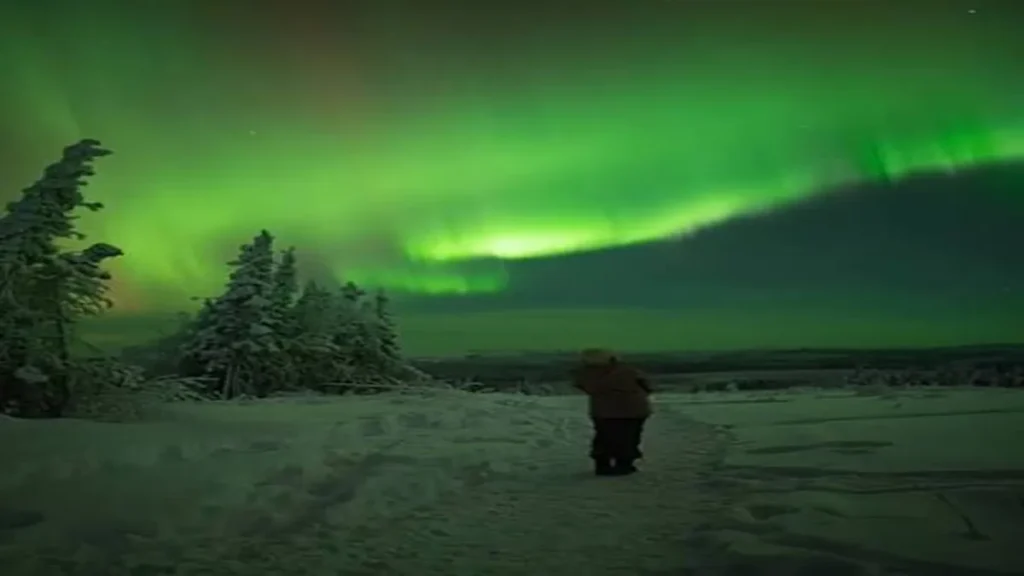
The first time you step outside in Fairbanks in January, the cold doesn’t just surprise you — it changes how your nose hairs feel in about four seconds. That’s normal. It’s also exactly why people fly here in the dead of winter: dark skies, dry cold, and some of the best northern lights odds on the planet.
Fairbanks in January means average highs around 1–3°F (-16°C), lows near -8 to -17°F (-22 to -23°C), and roughly 5 hours of daylight. It’s peak aurora season, with viewing odds near 90% over a three-night stay, plus dog sledding, ice fishing, and Chena Hot Springs to fill the daylight hours.
How Cold Does Fairbanks Get in January?
January is Fairbanks’ coldest month, full stop. You’re looking at daily highs hovering around 1–3°F (-16°C) and lows that regularly dip to -8°F to -17°F (-22°C to -23°C). Cold snaps below -30°F aren’t rare, and it’s not unheard of for the mercury to flirt with -40°F during a hard freeze.
Here’s the thing most guides gloss over: this is a dry cold. Humidity sits near 99%, but there’s very little precipitation — January is actually one of Fairbanks’ driest months, with around 9 snowfall days and just over 2 inches of total snow accumulation. You won’t get buried in fresh powder the way you might picture. What you’ll get is a thin, packed base of old snow and ice that’s been there since November.
Wind matters more than people expect. At around 14 mph average, a north wind on top of -15°F air makes standing outside for a photo feel brutal fast. Locals check wind chill, not just the thermometer, before deciding how long they’ll linger outdoors.
| Metric | January Fairbanks |
|---|---|
| Average high | 1–3°F (-16°C) |
| Average low | -8 to -17°F (-22 to -23°C) |
| Extreme cold snaps | Down to -40°F possible |
| Snowfall days | ~9.4 |
| Snow accumulation | ~2.09 in (53mm) |
| Humidity | 92–99% |
| Average wind | ~14 mph |
Quick takeaway: Pack for -20°F, hope for 0°F, and don’t panic if a cold snap pushes past -30°F for a night or two — it happens most Januaries.
Daylight Hours — Planning Your Day Around 5 Hours of Sun
Fairbanks gets about 5 to 5.3 hours of daylight in January, with sunrise around 10:24 AM and sunset near 3:36 PM. That’s short, but it’s not the darkest stretch of the year — Fairbanks bottoms out around the December solstice at under 4 hours, and by February you’ll gain back a couple more hours.
What that means practically: mornings start slow. Don’t book anything before 10 AM expecting good light. Midday, roughly 11 AM to 2 PM, is your window for photos and outdoor sightseeing with usable daylight. After 3:30 PM, you’re in darkness — which, for aurora hunters, is actually the whole point.
This is also why January works so well as an aurora destination without the brutal all-day darkness of places like Utqiaġvik, which sits in true polar night for weeks at a stretch. Fairbanks gives you a workable, if short, daytime window and a long, dark night for viewing.
Northern Lights in January: Your Real Odds
This is why most people book the trip, so let’s be direct about the numbers. Fairbanks sits almost directly under the aurora oval at roughly 64°N latitude, which makes it one of the most reliable northern lights viewing spots in the world — better positioned than Anchorage or Juneau, and comparable to other high-latitude interior locations.
Stay three nights or more and your odds of seeing the aurora climb to around 90%, assuming reasonably clear skies. January’s skies tend to be clearer than the shoulder months, and the long nights — roughly 10 PM to 4 AM is prime viewing time — give you a wide window to catch an active display.
A few things competitors’ guides tend to skip:
- Check the Kp index, not just the aurora forecast headline. A Kp of 3+ combined with clear skies is your green light; anything below that and you’re relying on luck.
- Get out of town. Fairbanks’ in-town light pollution genuinely dims the show. Popular dark-sky spots include Cleary Summit, Murphy Dome, and the area around Fox, AK, just north of the city.
- DIY vs. guided tour is a real tradeoff. A self-drive to a dark pullout costs nothing but gas and requires winter-driving confidence. A guided tour handles the driving and often includes hot drinks and a heated shelter, but if the aurora doesn’t show that night, you can’t get a refund for bad luck — only for a no-show tour.
- Aurora cabins solve the drive problem entirely — some properties near Fairbanks let you watch from a heated cabin window, no midnight driving required. More on that below.
Quick takeaway: Three nights, clear skies, and getting even 15–20 minutes outside of downtown will do more for your odds than any single tour package.
Best Things to Do in Fairbanks in January
The northern lights get top billing, but daylight hours in Fairbanks are packed too.
- Dog sledding. Multiple outfitters run half-day and full-day mushing trips, and January’s cold, packed snow is actually ideal sledding condition — better than the slushy trails you’d get later in spring.
- Ice fishing. Guided trips take you out on frozen lakes near Fairbanks for pike and burbot. Bring the layers; you’re sitting still on ice for hours.
- Chena Hot Springs. About an hour from downtown, this is the trip’s built-in recovery day. Natural mineral pools stay around 100°F+ even as steam rises into subzero air — it’s genuinely one of the best contrasts in travel. Many visitors combine a soak with the resort’s aurora viewing options.
- Snowmobiling. Guided tours through the boreal forest outside the city are widely available and don’t require experience.
- Reindeer farm visits. Several small farms near Fairbanks offer close-up visits, popular with families.
- Ice art. If your trip stretches into late February or March, the World Ice Art Championships bring massive ice sculptures downtown — worth knowing about even though it’s not technically a January event, since travelers often confuse the timing.
- University of Alaska Museum of the North. A solid indoor option for a brutally cold or overcast afternoon.
Quick takeaway: Plan one “big cold” outdoor day (dog sledding or snowmobiling), one recovery day (Chena Hot Springs), and keep an indoor backup in your pocket for the coldest stretch of your trip.
What to Pack (and What Locals Actually Wear)
Generic “bring a warm coat” advice doesn’t cut it at -20°F. Layering is the actual system:
- Base layer: Merino wool or synthetic long underwear — never cotton, it holds moisture and gets you cold fast.
- Mid layer: Fleece or a light down jacket for insulation.
- Outer shell: A parka rated to at least -20°F to -40°F, ideally with a fur-ruff hood to break the wind around your face.
- Extremities: This is where people underprepare. Bring insulated, waterproof boots rated for extreme cold, wool socks (bring two pairs), mittens over gloves (mittens trap heat better than fingered gloves), and a face covering — balaclava or neck gaiter — for wind exposure during aurora watching.
- Accessories: Hand and toe warmers, a headlamp with red-light mode (preserves night vision for aurora viewing), and lip balm — the dry cold cracks lips fast.
Quick takeaway: If you’re standing outside for an hour watching the sky, your feet and hands will fail before your torso does. Overinvest in boots and mittens.
Getting Around — Do You Need a Rental Car?
Most guides skip this, and it’s one of the most common questions first-time visitors ask. Short answer: you can get by without a car if you’re booking guided tours for everything, but it’s genuinely limiting.
Fairbanks is spread out, and taxis or rideshares are neither cheap nor always available late at night — a problem when your aurora window runs from 10 PM to 4 AM. Renting a car gives you the freedom to chase clear skies to a dark pullout on your own schedule.
The catch: winter driving here is a real skill, not a formality. Roads can be genuinely icy, and temperatures below -20°F affect how a car handles, how batteries perform, and how long you can safely leave a vehicle running versus off. If you’ve never driven on packed snow and ice, either practice cautiously on quiet roads first, book a guided tour instead, or plan for a hotel that includes an aurora wake-up call service so you’re not driving at 2 AM. Four-wheel drive or all-wheel drive is worth the upgrade cost.
Where to Stay for Aurora Viewing
You have two real options, and they solve different problems:
- Downtown Fairbanks hotels put you close to restaurants, the airport, and daytime attractions, but you’ll need to drive or tour out of town for a good aurora view most nights due to light pollution.
- Aurora cabins on the outskirts (areas like Fox or Cleary Summit) let you watch the sky from your window or a heated viewing deck without going anywhere — ideal if you don’t want to drive at 2 AM in subzero temperatures.
If aurora viewing is your main goal, a cabin with a clear northern sky view saves you the coldest, latest part of the day. If you want a mix of city convenience and easy day trips, downtown works fine paired with one or two booked aurora tours.
Why January Beats March and Summer on Price
March gets more hype as “aurora season” because it’s slightly warmer, but that also means it’s more expensive and more crowded. January is genuinely the off-season for Fairbanks tourism — hotel rates and tour prices drop, dog sledding and snowmobiling slots are easier to book on short notice, and flights tend to be cheaper than the summer peak or the March rush.
The tradeoff is obvious: it’s colder, and you’re trading a few degrees of comfort for meaningfully lower costs and thinner crowds at the same aurora odds. For budget-conscious travelers whose main goal is the northern lights rather than long outdoor days, January is arguably the better value than March.
A Simple 4-Day Fairbanks Itinerary
Day 1: Arrive, settle in, adjust to the cold. Evening: aurora forecast check, first viewing attempt from a dark spot near town if skies are clear.
Day 2: Daytime dog sledding or snowmobiling tour. Evening: guided aurora tour to a dark-sky location outside town.
Day 3: Drive to Chena Hot Springs for the day — soak, lunch, explore the resort grounds. If staying overnight, this doubles as a built-in aurora-viewing night away from city lights.
Day 4: Museum of the North or downtown exploration in the morning (good indoor backup if it’s brutally cold). Ice fishing or reindeer farm visit in the afternoon. Final aurora attempt in the evening before departure.
This structure gives you three aurora attempts across four nights — comfortably within the range that pushes your odds toward that 90% mark.
Conclusion
Fairbanks in January isn’t a comfortable trip, and it’s not trying to be. It’s a cold, dark, quietly spectacular window into the aurora oval at the exact time of year when the lights, the low prices, and the long nights all line up. Pack for -20°F, book three nights minimum, and get yourself even a few minutes outside city lights — the rest tends to take care of itself. If you’re ready to lock in dates, start with flights and an aurora-view cabin or hotel first, since both fill up faster than the cold weather might suggest.
You might also find our Alaska and Hawaii travel guides helpful when planning the rest of your trip.
FAQ Section
Is January a good time to visit Fairbanks?
Yes, especially for northern lights. It’s peak aurora season with roughly 90% viewing odds over three nights, plus lower prices and thinner crowds than March or summer. The main tradeoff is extreme cold, often -10°F to -20°F.
How cold does it get in Fairbanks in January?
Average highs run 1–3°F (-16°C) and lows -8 to -17°F (-22 to -23°C). Cold snaps below -30°F happen most years, so pack layers rated well beyond what feels necessary at home.
What are the odds of seeing the northern lights in January?
Around 90% over a three-night stay in clear conditions, since Fairbanks sits directly under the aurora oval. Checking the Kp index alongside the aurora forecast and getting outside city lights improves your odds further.
Do you need a car in Fairbanks in winter?
Not strictly, if you’re booking guided tours for everything. But a rental car gives you flexibility to chase clear skies for aurora viewing on your own schedule — just be prepared for genuinely icy roads and sub-zero driving conditions.
What should I pack for Fairbanks in January?
A true layering system: moisture-wicking base layers, a fleece or down mid layer, a parka rated to -20°F or colder, insulated waterproof boots, mittens over gloves, and a face covering for wind during aurora watching.
Is Fairbanks better than Anchorage for northern lights?
Yes, generally. Fairbanks sits closer to the center of the aurora oval and gets less daylight interference in winter, giving it a real edge over Anchorage for reliable aurora sightings.
How many hours of daylight does Fairbanks get in January?
About 5 to 5.3 hours, with sunrise around 10:24 AM and sunset near 3:36 PM. It’s short but noticeably longer than December’s under-4-hour lows.
Can you dog sled in Fairbanks in January?
Yes — January’s cold, well-packed snow is considered prime mushing condition, and multiple outfitters run half-day and full-day trips throughout the month.