The first time you look at a Big Sky trail map, it’s easy to panic. Lone Peak juts up like something out of a fantasy movie, the resort brags about being “the biggest skiing in America,” and none of that screams beginner-friendly. So is Big Sky good for beginners, or is that reputation about to ruin your first ski trip? Scale and difficulty aren’t the same thing, and once you know where to look, Big Sky turns out to be one of the more forgiving places in Montana to learn.
Yes, Big Sky is good for beginners. The resort splits its 15% beginner terrain across two separate base areas, each with its own magic carpet, dedicated green runs, and ski school — so new skiers get a self-contained learning zone instead of getting funneled onto crowded, mixed-ability slopes. Add in over 400 inches of snow a year and PSIA-certified instructors, and it’s a legitimately solid place to start.
That said, “good for beginners” comes with some caveats worth knowing before you book.
Why Big Sky Actually Works for Beginners
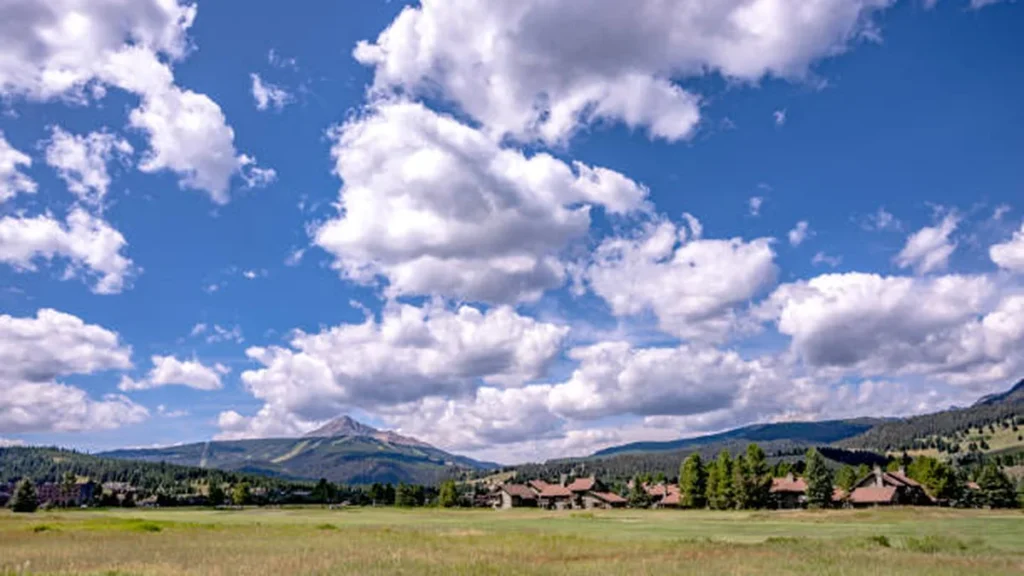
Big Sky’s reputation is built on expert terrain — >Lone Peak looms over the rest of the resort, and lines like the Big Couloir have near-mythical status among serious skiers. That reputation scares off a lot of first-timers who assume the whole mountain is that intense. It isn’t.
Two things make Big Sky quietly excellent for people who’ve never clicked into a binding before.
The snow is more forgiving. Big Sky sees about 400 inches of snow every year, refreshed every couple of days rather than in one big dump followed by weeks of ice. Fresh snow is softer, which matters more for beginners than almost any other factor — it lets new skiers focus on learning turns instead of fighting hardpack.
There’s simply a lot of easy terrain, even if the percentage looks small. Sources disagree slightly on the exact split — Powderhounds puts beginner terrain at 15% of the mountain, while Big Sky’s own blog cites 161 beginner and intermediate trails, roughly half the resort once you include the wide blue cruisers most new-to-intermediate skiers can handle within a day or two. Either way, 15% of 5,850 skiable acres still works out to hundreds of acres of easy terrain — more square footage than plenty of entire ski resorts have to offer.
Quick Takeaway: Don’t let Big Sky’s size or its expert-terrain fame scare you off. The beginner zones are real, well-marked, and separated from the gnarly stuff.
Mountain Village vs. Madison Base — Pick One and Stick With It
This is the detail almost every first-time visitor misses, and it’s the single biggest planning mistake beginners make at Big Sky.
Big Sky Resort operates two distinct base areas, and they’re not walking distance from each other.
- Mountain Village — the main hub, with the magic carpet and Explorer Gondola feeding beginner terrain, plus the bulk of restaurants, shops, and lodging.
- Madison Base (in the Moonlight Basin area) — a smaller, quieter operation with its own magic carpet and Derringer chairlift, one on-site restaurant, and what several visitors describe as a more laid-back, less overwhelming vibe for nervous first-timers.
Both base areas offer lessons, lift tickets, a magic carpet, and beginner lifts, but you can’t easily bounce between them mid-day — beginners will want to choose one location, since getting from one base to the other means driving. Decide before you arrive, ideally based on where you’re staying, and build your day around that base.
The Best Beginner Runs and Lifts at Big Sky
Once you’ve picked a base, the progression is straightforward and genuinely well designed.
At Mountain Village: start on the magic carpet, then move to green runs like Mr. K, Sacajawea, and Deep South — the latter a long, mellow run skirting the edge of the Southern Comfort terrain near the Yellowstone Club boundary. Sacajawea in particular is a south-facing green run named after the Shoshone guide who accompanied Lewis and Clark, running the full length of the Southern Comfort lift. When you’re ready to step up, blues like Pomp and Lizette — a pair of tree runs near Southern Comfort chair — offer a gentle intermediate transition without dropping you into anything steep.
At Madison Base: the green Cinnabar run plays a similar role to Mr. K on the other side of the mountain, accessed via the Derringer lift.
For beginners who want to explore a bit further without leaving easy terrain, Safari, Lower Morningstar, and Cupajo round out the green run options, and the Moonlight Basin side offers gentle, rolling blue runs off the Madison 8 and Lone Tree lifts that are noticeably mellower than most blues elsewhere on the mountain.
One underrated tip: the terrain off the Lewis and Clark chairlift sits in a far corner of the resort and rarely sees traffic, which matters more than it sounds like it should — skiing without crowds around lets nervous beginners relax instead of worrying about colliding with someone.
Lessons and Ski School — Worth the Extra Cost?
If you’re new to skiing or snowboarding, don’t skip lessons to save money. It’s the one piece of advice that shows up across nearly every review and forum thread about Big Sky, and for good reason.
The Big Sky Mountain Sports School rivals any major ski school in the US, and every instructor is certified through PSIA, the Professional Ski Instructors of America — with more than 80% of instructors returning year after year, which says something about consistency and teaching quality. Group lessons, private one-on-one sessions, and kids’ programs starting around age two are all available at both base areas.
One Tripadvisor forum contributor put it simply: they’d recommend starting with a couple of days of lessons at minimum, and lessons every day for kids. That matches what most seasoned Big Sky visitors say — the terrain is there, but a good instructor accelerates the learning curve dramatically, especially at altitude.
Where Big Sky Falls Short for Beginners
No honest guide skips the downsides, and Big Sky has a few worth knowing before you commit.
- Grooming isn’t always consistent. One detailed review noted that some key beginner runs weren’t groomed daily, which is a real limitation given how much beginners rely on smooth, predictable snow.
- Not every green run is actually a learning run. Some runs marked green on the trail map exist mainly to give access to private homes rather than being genuine ski-school terrain, so don’t assume every green is equally gentle.
- The resort’s scale can work against you. Big Sky doesn’t have a single, compact village hub the way some resorts do — there’s no concentrated area where all the lifts start from, and the distance from lodging in the Meadow Village to the slopes is significant.
- Opinions genuinely differ. Not everyone rates Big Sky as ideal for first-timers — one forum poster who skis blacks and blues said >they don’t recall Big Sky having all that many green beginner hills and suggested beginners might be better served elsewhere if travel distance is a factor. That’s a minority view among the sources we reviewed, but it’s a fair counterpoint: Big Sky’s beginner terrain is real, but it’s not the resort’s main identity, and a smaller, beginner-dedicated resort might feel less intimidating on day one.
Practical Tips for Your First Day
A few logistics decisions make a bigger difference than most people expect.
- Rent gear locally rather than buying online. Local outfitters fit skis and boards to your weight, height, and skill level, and some will even swap gear on the mountain if something isn’t working.
- Plan for altitude. Dehydration and sunburn are both more common at elevation, so hydrate before you’re on the lift, not after you feel it.
- Warm up before your first run. First-timers typically discover muscles they didn’t know they had — a few minutes of stretching goes a long way.
- Consider ski-in/ski-out lodging if it’s in budget. It removes the daily hassle of driving, parking, and hauling gear, and makes it far easier to end a run early if someone in your group gets tired or cold.
- Ask about a beginner-specific lift ticket. If you won’t be using the higher-mountain lifts, some visitors note it’s worth asking at the ticket window whether a discounted beginner ticket applies — pricing and availability change season to season, so confirm current options directly with the resort before you go.
Big Sky vs. Other Beginner-Friendly Resorts
If you’re still weighing options, here’s how Big Sky stacks up against a few resorts frequently mentioned in the same breath by beginner skiers.
| Resort | Beginner Layout | Standout for Beginners | Trade-off |
|---|---|---|---|
| Big Sky, MT | Two separate base areas | Massive snowfall, uncrowded green zones | Requires choosing one base; sprawling layout |
| Winter Park, CO | Single, compact base | Easy navigation, strong ski school reputation | Smaller overall terrain variety |
| Steamboat, CO | Single base village | Renowned children’s ski school, mellow tree skiing | Can get crowded on peak days |
| Keystone, CO | Multiple connected mountains | Long, gentle green runs across three peaks | Less dramatic scenery than Big Sky |
There’s no universally “best” answer here — a family that wants a tight, walkable village might lean toward Winter Park or Steamboat, while skiers who want room to spread out and don’t mind planning around two base areas will likely prefer Big Sky.
READ MORE: Thorp Lookout: The Complete Trail Guide
Getting Started at Big Sky
Big Sky isn’t the intimidating, experts-only mountain its marketing sometimes suggests. It’s a resort with a genuinely well-built beginner infrastructure — two dedicated learning zones, PSIA-certified instructors, and enough snow to make the learning curve gentler than it is at a lot of icier resorts. The catch is that you need to plan around its size: pick one base area, book lessons in advance, and don’t expect a single walkable village to tie everything together.
If that trade-off works for your trip, Big Sky is a smart choice for a first-time skier or a family still building confidence on the snow.
Planning your next adventure? Take a look at Vucrex travel guides for more inspiration.
FAQ Section
Is Big Sky hard for beginners?
No — Big Sky has dedicated beginner terrain at both its base areas, with magic carpets and green runs separated from advanced slopes. The mountain’s reputation for extreme terrain like Lone Peak and the Big Couloir applies to a small portion of the resort, not the beginner zones.
What percentage of Big Sky is beginner terrain?
Estimates vary by source, ranging from about 15% up to nearly half the mountain when wider blue runs are included. Even at the lower estimate, that translates to hundreds of acres of dedicated learning terrain.
Should beginners choose Mountain Village or Madison Base?
Either works, but pick one and stay there for the day. Mountain Village has more amenities and a bigger footprint; Madison Base is smaller, quieter, and can feel less overwhelming for nervous first-timers.
Do I need a lesson before skiing Big Sky?
It’s strongly recommended. Big Sky’s Mountain Sports School uses PSIA-certified instructors, and multiple visitor accounts describe lessons as the fastest way to build confidence, especially for kids.
Is Big Sky crowded for beginners?
Some beginner zones, like terrain off the Lewis and Clark chairlift, are notably uncrowded due to their location on the mountain, making them a good choice for skiers who want space to practice without heavy traffic.
Is Big Sky better than Winter Park or Steamboat for beginners?
It depends on preference. Big Sky offers more snowfall and quieter beginner terrain but requires navigating two separate base areas. Winter Park and Steamboat offer a single, more compact base village that some beginners find easier to manage.
What should first-time skiers know before visiting Big Sky?
Rent gear locally rather than bringing your own, prepare for higher-altitude effects like dehydration and sunburn, and consider ski-in/ski-out lodging to cut down on daily logistics.
Are all green runs at Big Sky equally easy?
Not necessarily — some runs marked green on the trail map primarily provide access to private homes rather than serving as dedicated learning terrain, so it’s worth asking a local for the best beginner-specific routes.